Is carp sustainable?
Short answer · good choice
Yes, farmed carp from Europe is a good choice. The Dutch VISwijzer rates it green. Carp grows in ponds and mainly eats grain, with hardly any ingredients from the sea. About 9% of European production is organic.
Updated · Central Europe (farmed)
- Latin name
- Cyprinus carpio
- Wild or farmed
- Farmed
- Origin
- Central and Eastern Europe
- Farming
- Ponds
- VISwijzer
- Green
three views
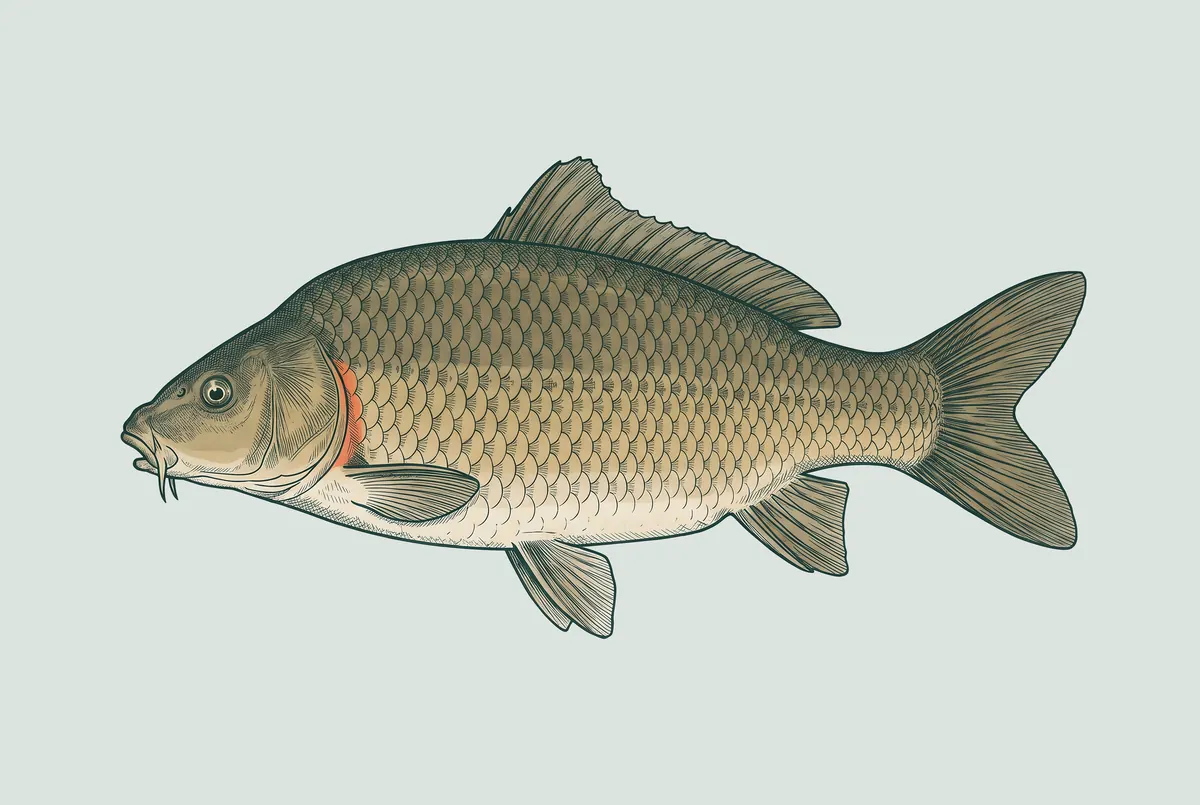
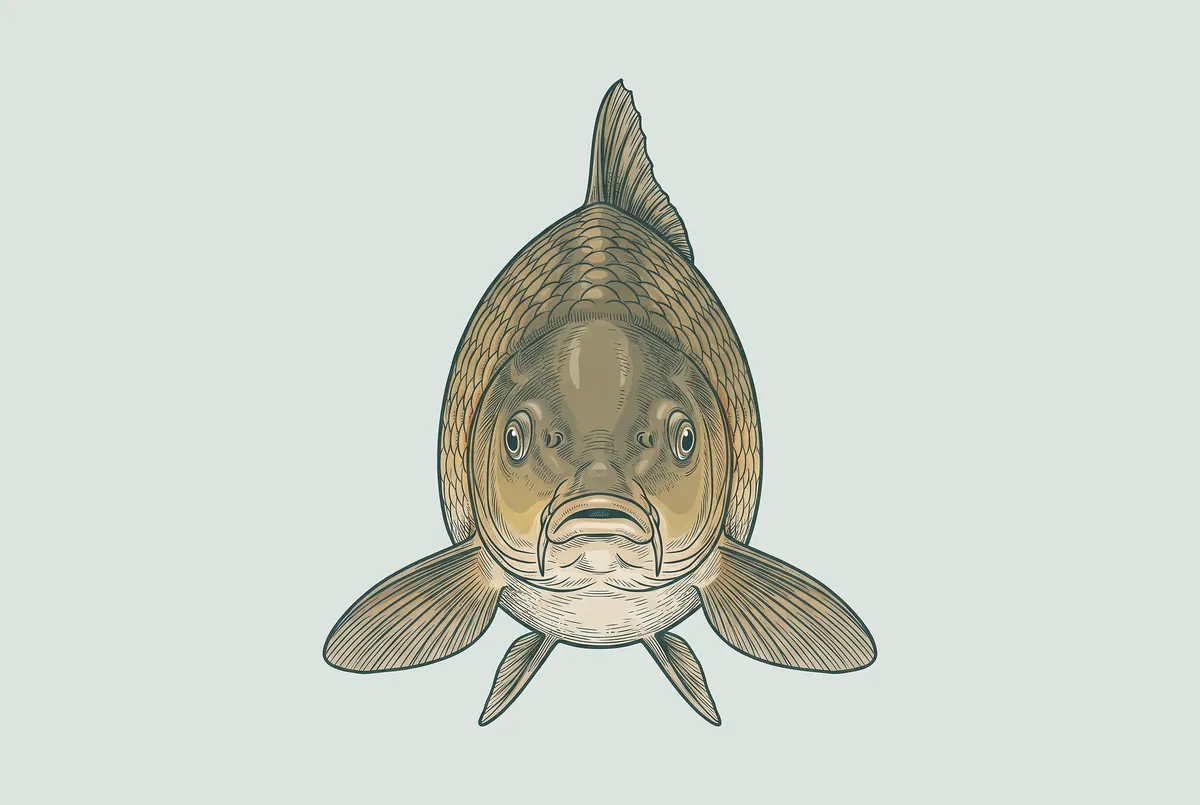
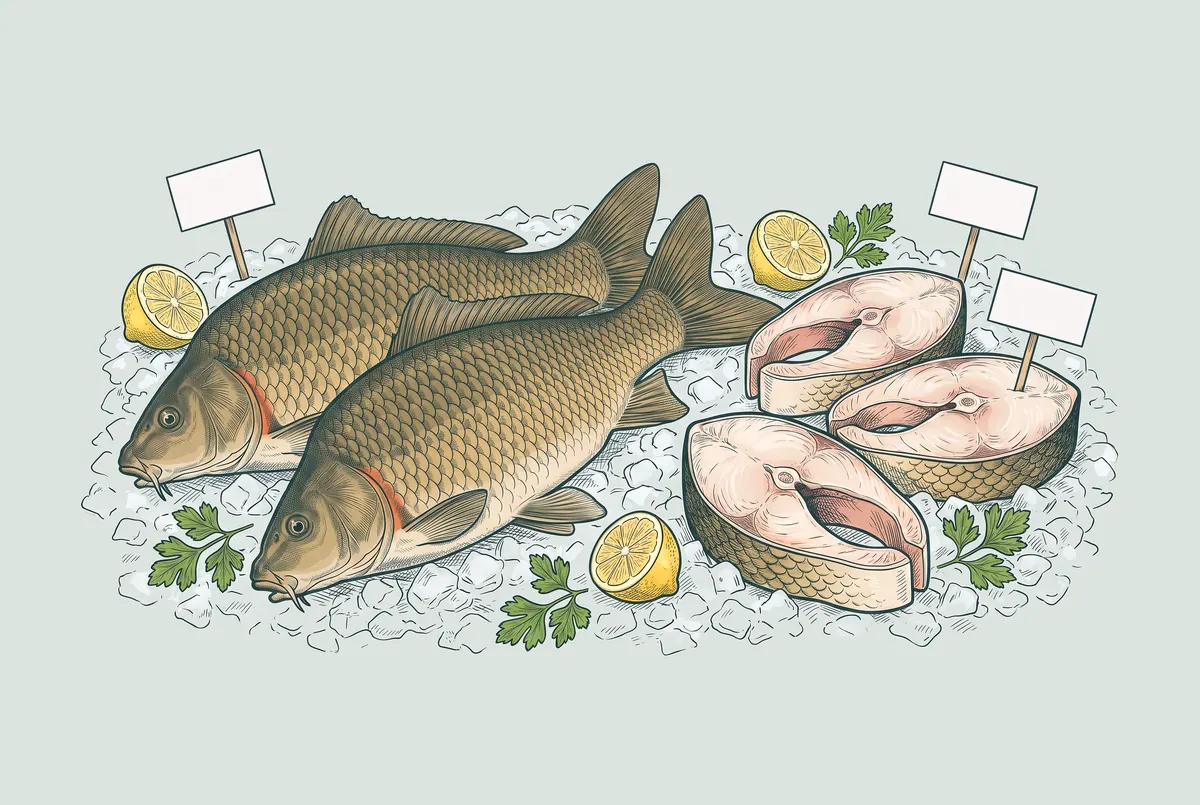
How to recognise carp
How is the stock doing?
Carp farming in Central and Eastern Europe mainly takes place in ponds and uses little energy. The ponds can provide habitat for other species. One risk is that carp can disrupt native species and ecosystems. Cormorants may also be killed at the farms.
What to look for when buying
Choose carp from European pond farms. There is no ASC, BAP or GlobalG.A.P. label for carp. If you want a label, choose organic carp.
Carp in Belgium
In Flanders, companies in Zonhoven, among others, farm carp in ponds, mainly for angling. If you catch a carp yourself in Flemish waters, you must release it straight away.
Questions about carp
Can I take home a carp I catch in Flanders?
No. Carp is not on the list of permitted species. You must release it carefully straight away.
Does carp have a label?
There is no ASC label for carp, but about 9% of production is organic.
Sources
- Good Fish, VISwijzer Karper (2026)
- Agentschap Natuur en Bos, Meeneembeperking en toegelaten vissoorten (2026)
- Aquacultuur Vlaanderen, Bedrijven (2026)
Consulted in October and November 2026.
More: freshwater fish
- eelcritically endangered
- troutcheck the origin
- salmon troutcheck the origin
- zandercheck the origin
- perchfarmed is better
- African catfishEuropean farmed
- grass carpfarmed, plant-eating
- silver carpeat the invader
- bighead carpeat the invader
- rohufarmed in ponds
- catlafarmed in ponds
- crucian carppond fish, least concern
- Wuchang breamfarmed, least concern
- striped snakeheadfarmed: fine
- channel catfishUS farmed: good
- northern pikelocal, wild
- walleyewell managed
- lake whitefishsome lakes declining
- tambaquifarmed: good
- Murray codwild vulnerable, farmed ok
- Asian swamp eelcheck the origin
- sterletwild endangered, farmed ok
- blue tilapiafarmed: good
- wels catfishfarmed, invasive in Spain
- tenchpond-farmed
- graylingmostly protected