- fishtakes
- fish guide
- coley
Is coley sustainable?
Short answer · North Sea: lost MSC
Coley, also called saithe, is a wild fish from the Northeast Atlantic. North Sea coley lost its MSC label in June 2025 because of low productivity. So choose coley from the Faroe Islands, or in moderation from Iceland and the Northeast Arctic.
Updated · North Sea, Norway
- Latin name
- Pollachius virens
- Wild or farmed
- Wild
- Origin
- Northeast Atlantic
- North Sea status
- MSC label lost (June 2025)
- Best choice
- Faroe Islands
three views
How to recognise coley
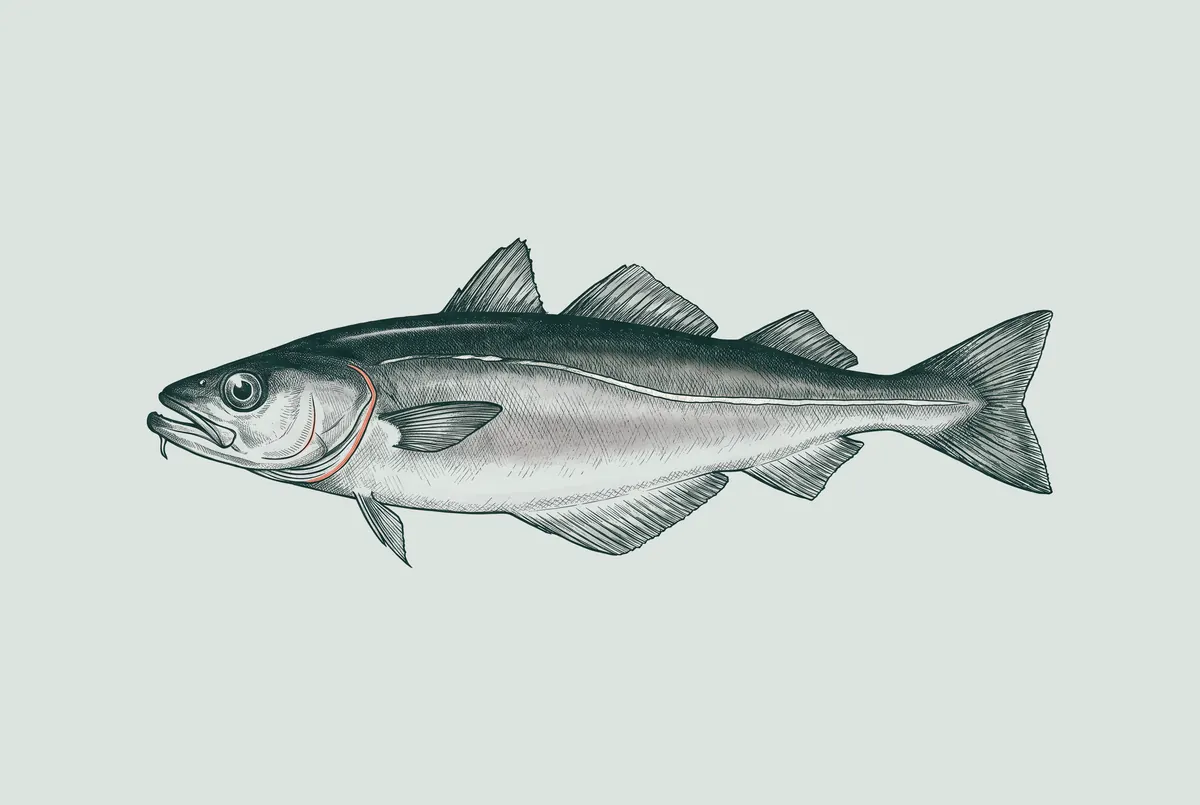
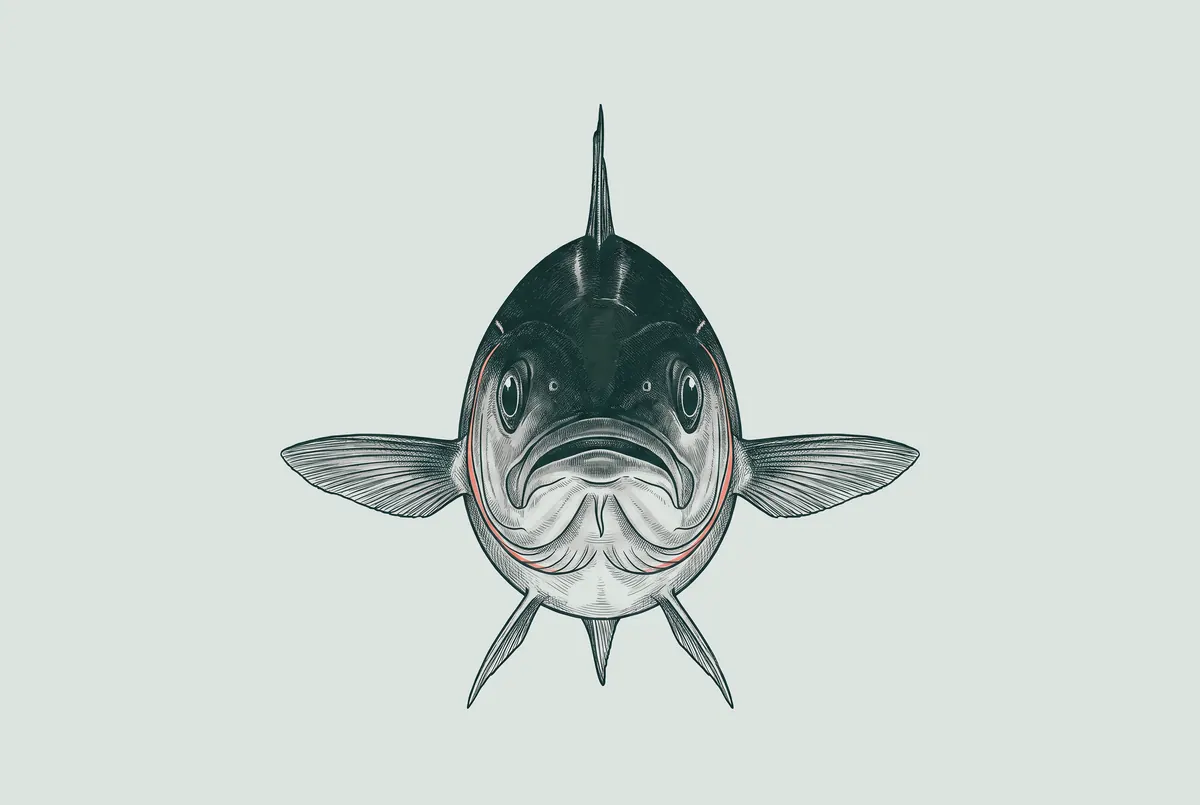
How is the stock doing?
North Sea coley lost its MSC certificate on 30 June 2025. ICES advised 60,167 tonnes for 2026, 24% less, with a spawning stock below the MSY Btrigger reference point.
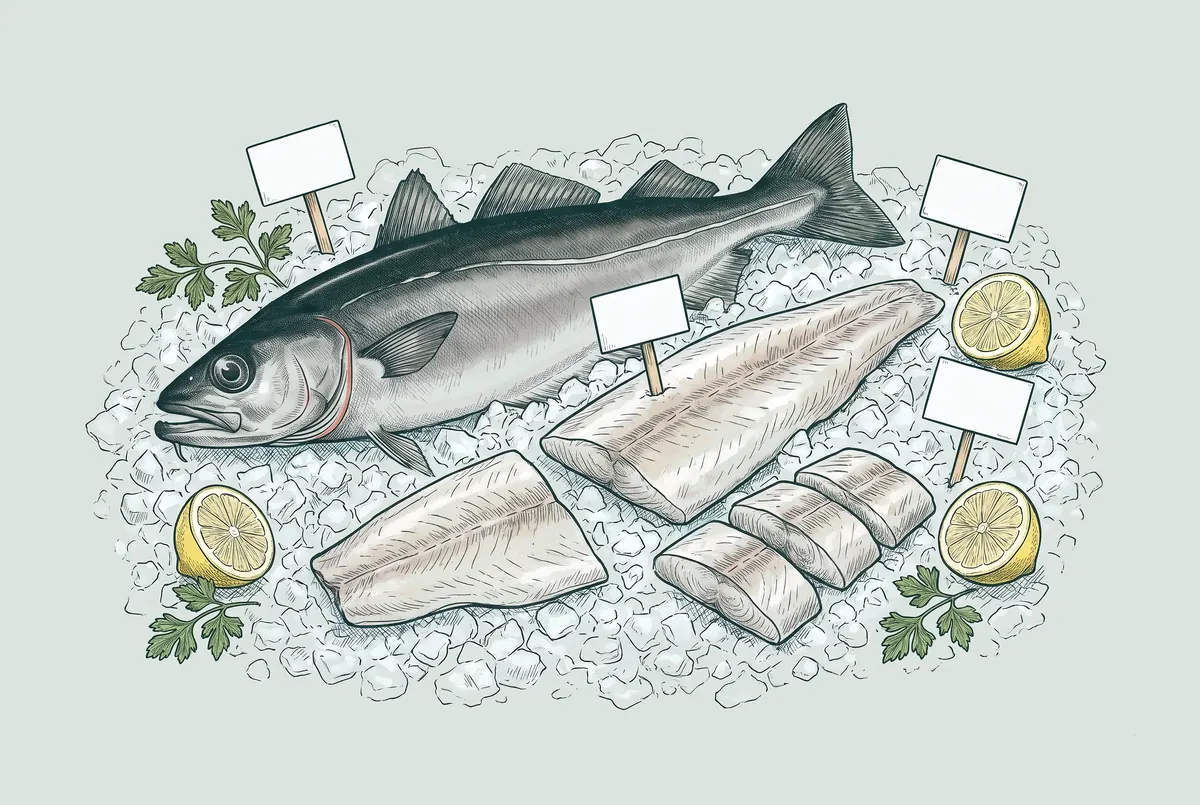
What to look for when buying
Choose coley from the Faroe Islands. Coley from Iceland or the Northeast Arctic is fine in moderation. Avoid coley from the North Sea and from west of Scotland.
Coley in Belgium
In 2022 the Belgian fleet landed just 5 tonnes of coley. Between 1950 and 1970 it was more than 3,000 tonnes every year.
Questions about coley
Is coley the same as Alaska pollock?
No. Coley is Pollachius virens. Alaska pollock is a different species, Gadus chalcogrammus, often used in fish fingers.
Why did coley lose its MSC label?
North Sea coley lost its MSC certificate in June 2025 because the stock has had persistently low productivity.
Sources
- Zeevruchtengids (ILVO, VLIZ), Koolvis
- Vismagazine, Noordzee-koolvis verliest MSC-keurmerk (juni 2025)
- The Fishing Daily, ICES advice on saithe in 2026 (juni 2025)
Consulted in October and November 2026.
More: farmed and traded worldwide
- Alaska pollockchoose Alaska (US)
- pangasiusfarmed: choose ASC
- tilapiafarmed: choose ASC
- halibutchoose MSC, in moderation
- gilthead sea breamfarmed: choose ASC
- sardinescheck the origin
- anchovieschoose Bay of Biscay
- Nile perchonly with Naturland
- redfishbest avoided
- red snapperbest avoided
- Japanese amberjackfarmed from wild young
- cobiafarmed: check
- barramundiAustralian farmed: good
- meagrefarmed in the Med
- large yellow croakerwild collapsed, farmed
- red seabreamfarmed: check
- coho salmonwild Alaska: good
- Siberian sturgeonfarmed caviar: fine
- Japanese sea bassfarmed: check