- fishtakes
- fish guide
- grayling
Is grayling sustainable?
Short answer · mostly protected
Grayling needs clean, cold, fast rivers and has declined in many parts of Europe because of warming, dams and cormorants. It is protected in several countries and rarely sold. Leave wild grayling in the river; farmed grayling is rare.
Updated · Central and Northern Europe
- Latin name
- Thymallus thymallus
- Wild or farmed
- Wild, few farms
- Where
- Central and Northern Europe
- Status
- Least concern; declining locally
- Names
- Äsche, ombre
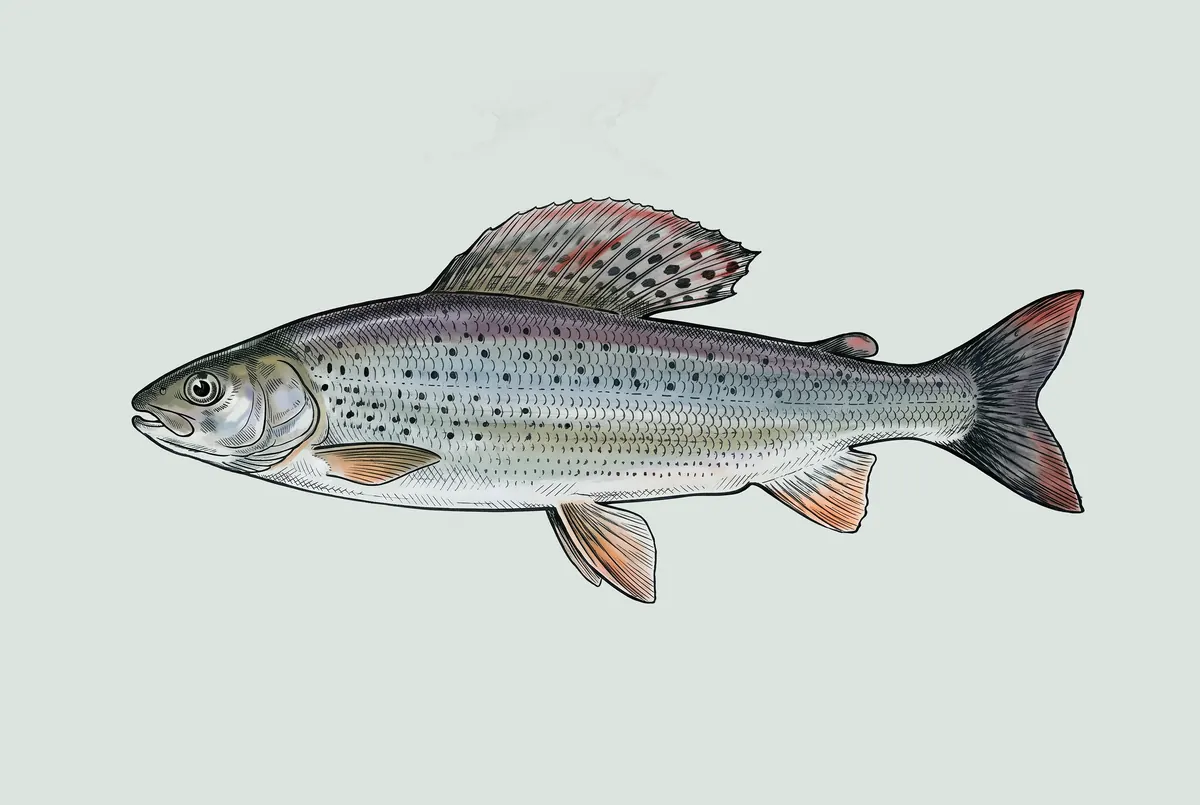
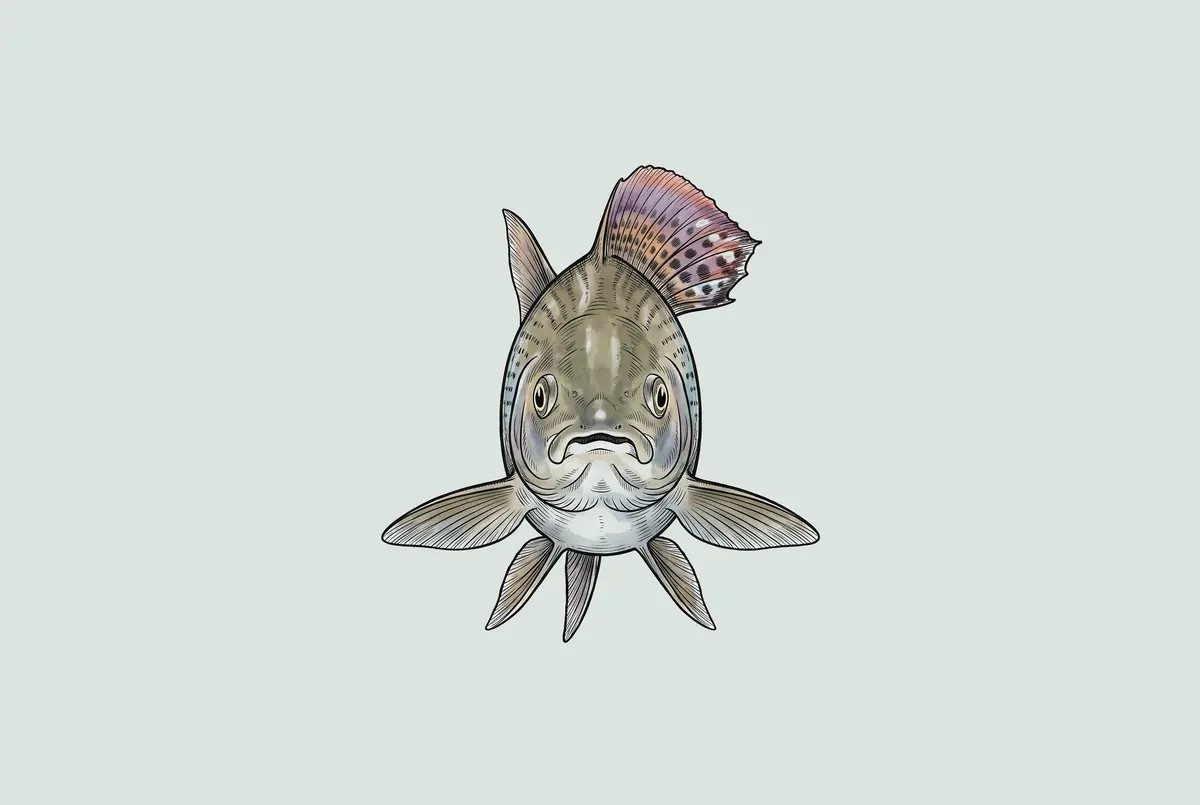
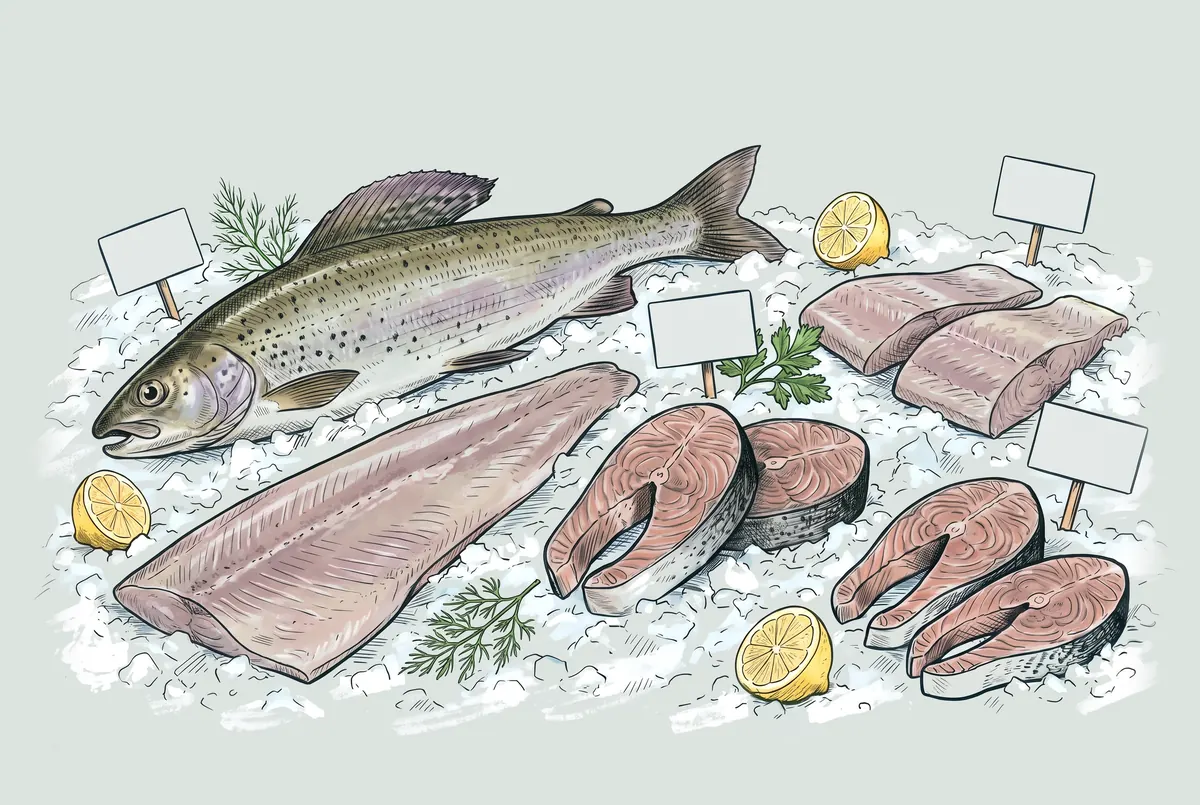
three views
How to recognise grayling
How is the stock doing?
Grayling spawns in gravel in spring and is sensitive to warm water and silt. Anglers often release it.
What to look for when buying
Do not buy wild grayling unless from a managed local fishery. Trout and char are alternatives.
Grayling in Germany
Grayling is said to smell of thyme when fresh. In Sweden and Finland it is grilled over a fire by the river.
Questions about grayling
Why is grayling called the lady of the stream?
For its elegant shape and large sail-like dorsal fin.
Does grayling smell of thyme?
Its scientific name Thymallus refers to that scent.
Sources
Consulted in October and November 2026.
More: freshwater fish
- eelcritically endangered
- troutcheck the origin
- salmon troutcheck the origin
- zandercheck the origin
- perchfarmed is better
- African catfishEuropean farmed
- carpgood choice
- grass carpfarmed, plant-eating
- silver carpeat the invader
- bighead carpeat the invader
- rohufarmed in ponds
- catlafarmed in ponds
- crucian carppond fish, least concern
- Wuchang breamfarmed, least concern
- striped snakeheadfarmed: fine
- channel catfishUS farmed: good
- northern pikelocal, wild
- walleyewell managed
- lake whitefishsome lakes declining
- tambaquifarmed: good
- Murray codwild vulnerable, farmed ok
- Asian swamp eelcheck the origin
- sterletwild endangered, farmed ok
- blue tilapiafarmed: good
- wels catfishfarmed, invasive in Spain
- tenchpond-farmed