- fishtakes
- fish guide
- blue tilapia
Is blue tilapia sustainable?
Short answer · farmed: good
Blue tilapia is a hardy, mostly plant-eating fish farmed in ponds and tanks, often crossed with Nile tilapia. It is a good choice from responsible or ASC-certified farms. Released into the wild, it can become invasive.
Updated · Israel, USA, China
- Latin name
- Oreochromis aureus
- Wild or farmed
- Farmed
- Where
- Israel, China, USA
- Status
- Least concern (IUCN)
- Feed
- Mostly plant-based
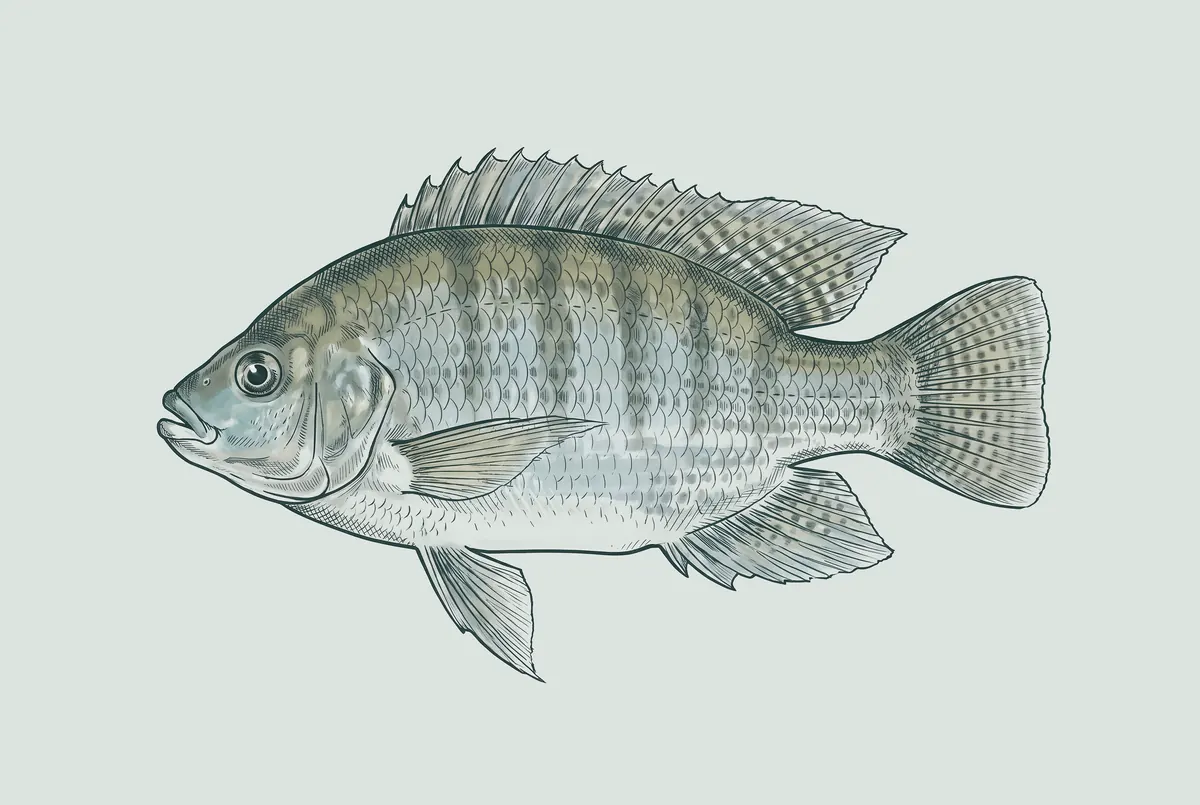
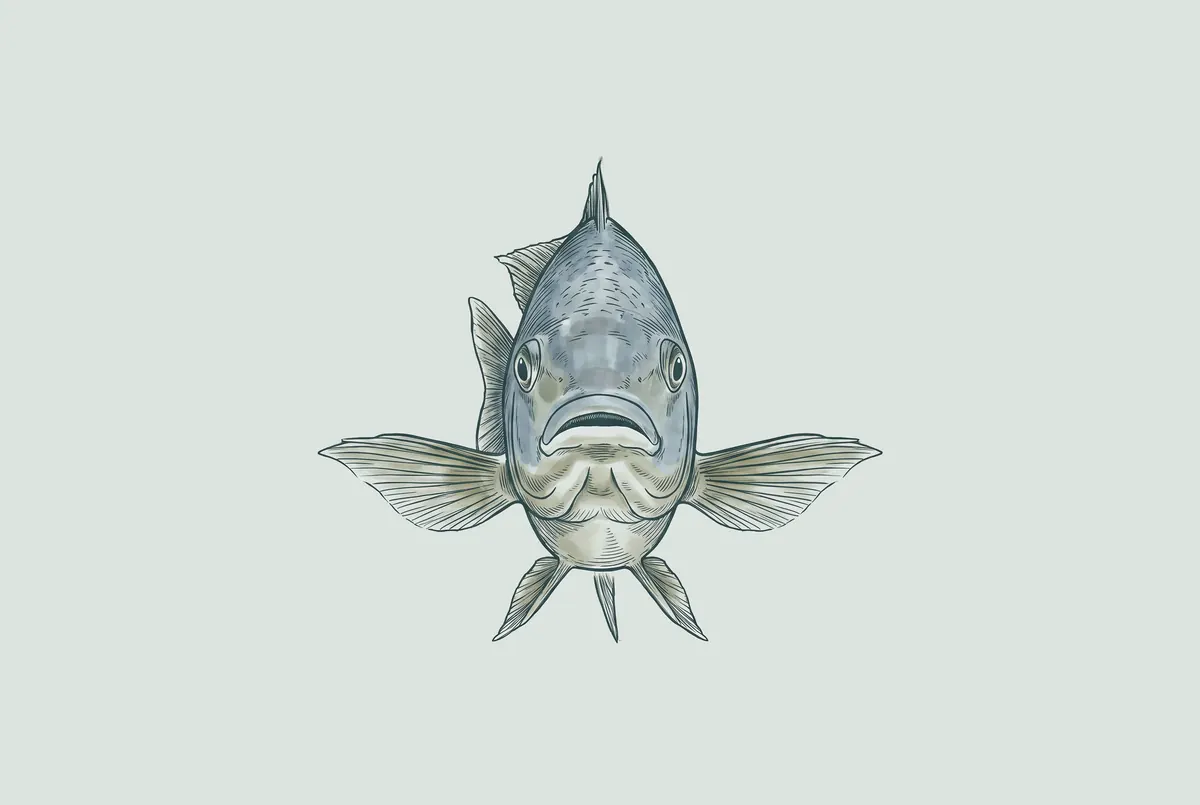
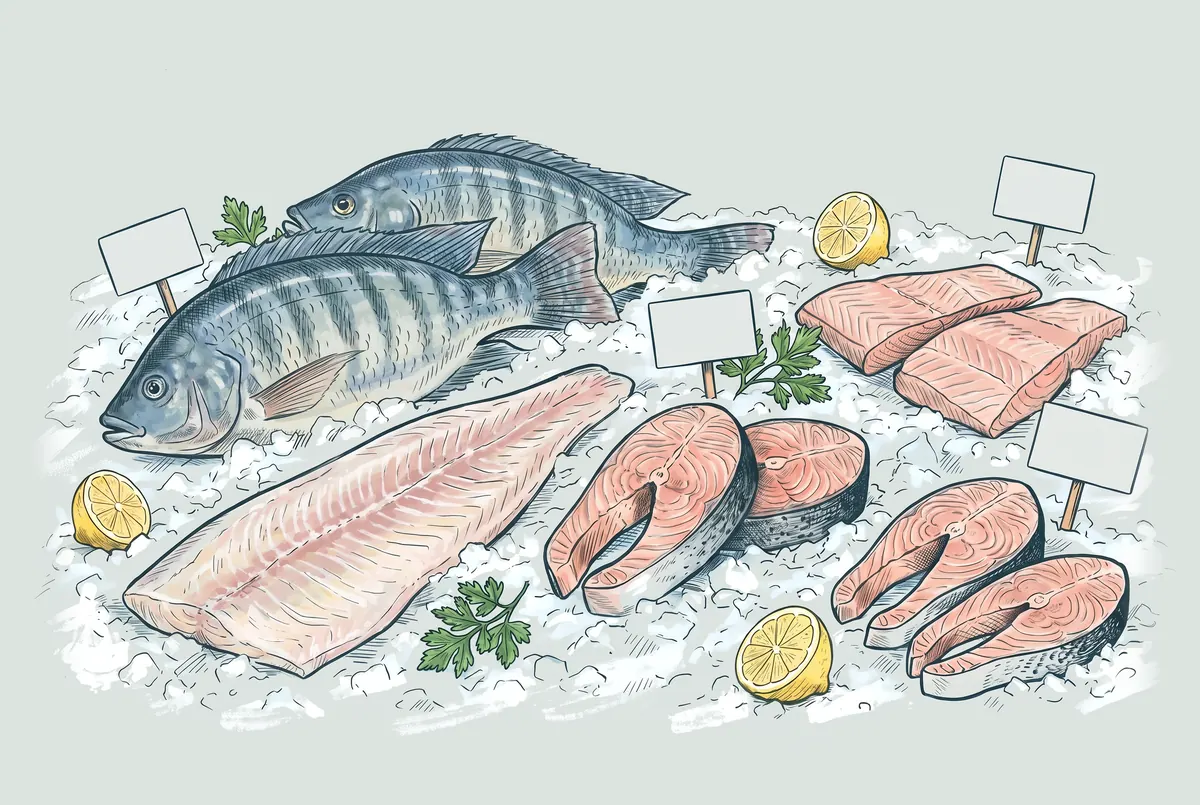
three views
How to recognise blue tilapia
How is the stock doing?
Tilapia need little fishmeal. Farms in Israel use recirculating systems in the desert. In Florida and Texas, blue tilapia escaped and spread.
What to look for when buying
Choose farmed tilapia with ASC or from known farms.
Blue tilapia in Israel
Around the Sea of Galilee, tilapia is sold as St Peter's fish, fried whole. The name comes from the gospel story of the fish with a coin in its mouth.
Questions about blue tilapia
What is St Peter's fish?
Tilapia from the Sea of Galilee, linked to the gospel story.
Is tilapia healthy?
It is lean white fish with less omega-3 than oily fish.
Sources
Consulted in October and November 2026.
More: freshwater fish
- eelcritically endangered
- troutcheck the origin
- salmon troutcheck the origin
- zandercheck the origin
- perchfarmed is better
- African catfishEuropean farmed
- carpgood choice
- grass carpfarmed, plant-eating
- silver carpeat the invader
- bighead carpeat the invader
- rohufarmed in ponds
- catlafarmed in ponds
- crucian carppond fish, least concern
- Wuchang breamfarmed, least concern
- striped snakeheadfarmed: fine
- channel catfishUS farmed: good
- northern pikelocal, wild
- walleyewell managed
- lake whitefishsome lakes declining
- tambaquifarmed: good
- Murray codwild vulnerable, farmed ok
- Asian swamp eelcheck the origin
- sterletwild endangered, farmed ok
- wels catfishfarmed, invasive in Spain
- tenchpond-farmed
- graylingmostly protected