- fishtakes
- fish guide
- Japanese amberjack
Is hamachi (yellowtail) sustainable?
Short answer · farmed from wild young
Japanese amberjack is farmed in sea pens in southern Japan, mostly from young fish caught in the wild. The feed contains fish meal and oil. Farmed hamachi is acceptable as an occasional sushi fish; look for farms with hatchery-raised fish.
Updated · Japan
- Latin name
- Seriola quinqueradiata
- Wild or farmed
- Mostly farmed
- Where
- Japan (Kagoshima, Ehime, Oita)
- Status
- Farmed from wild juveniles
- Names
- Hamachi, buri
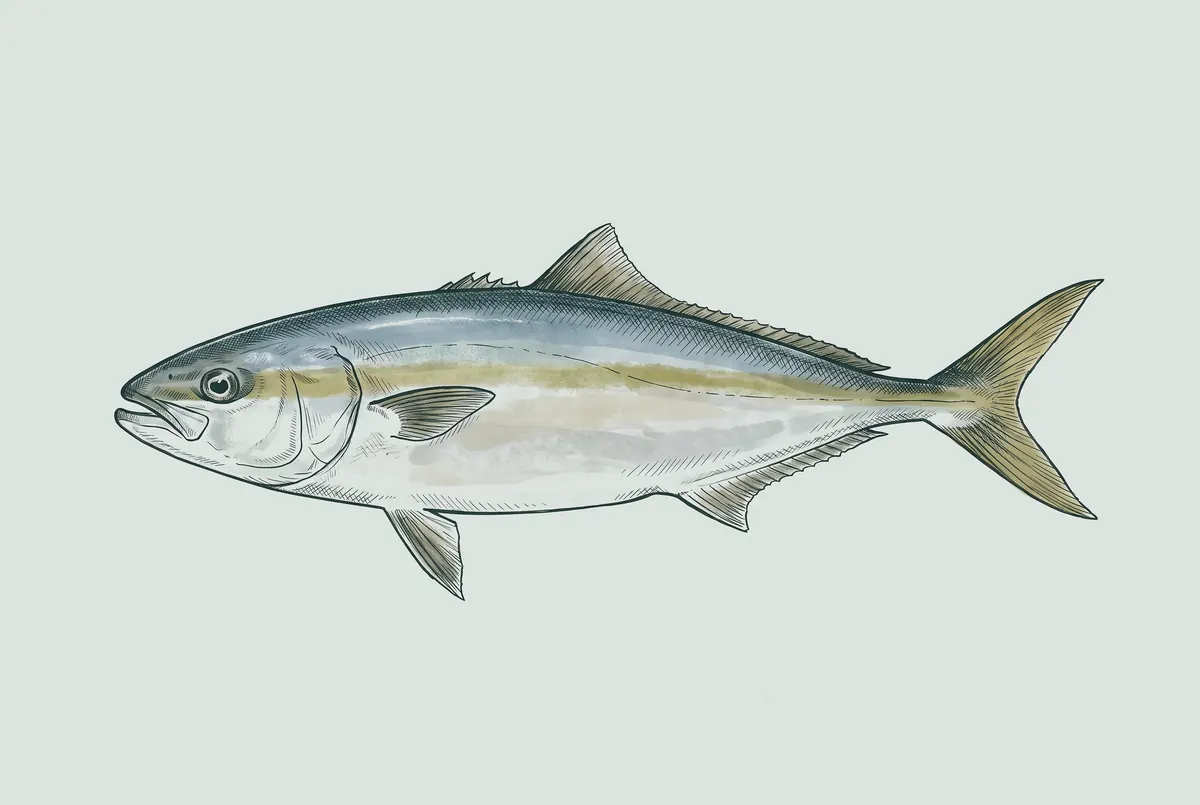
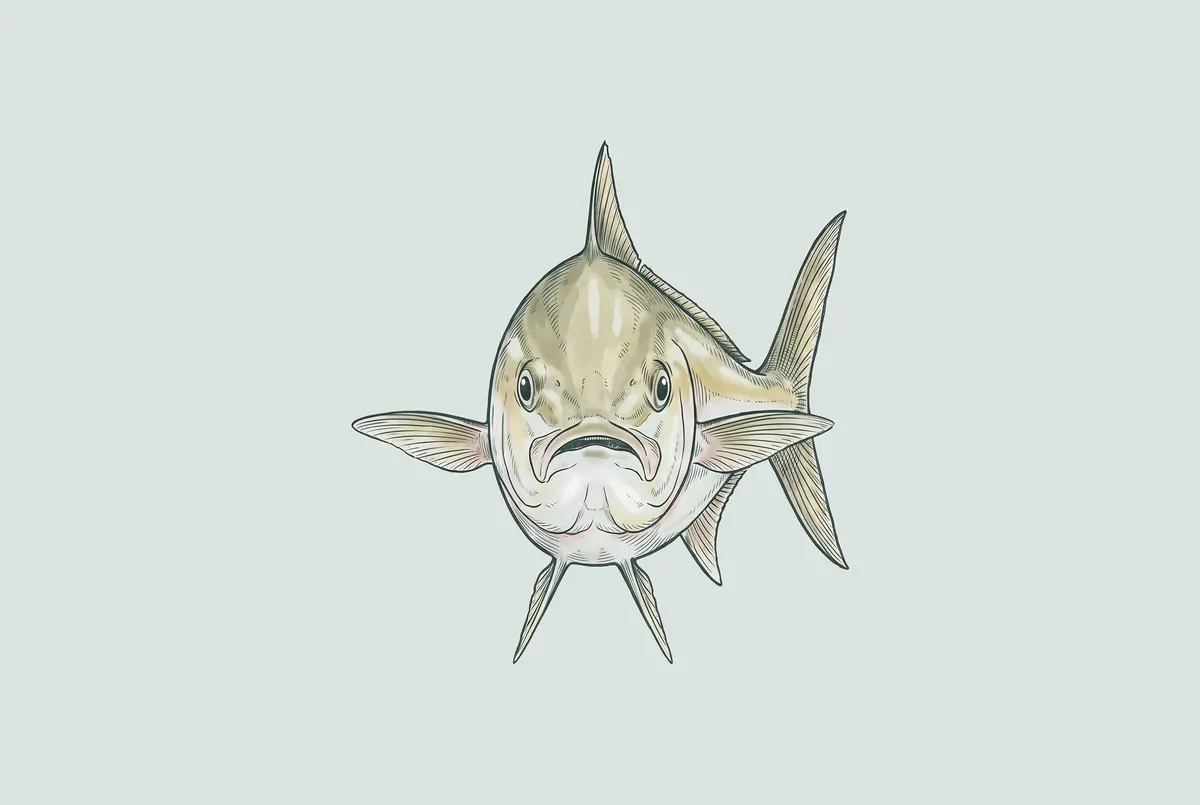
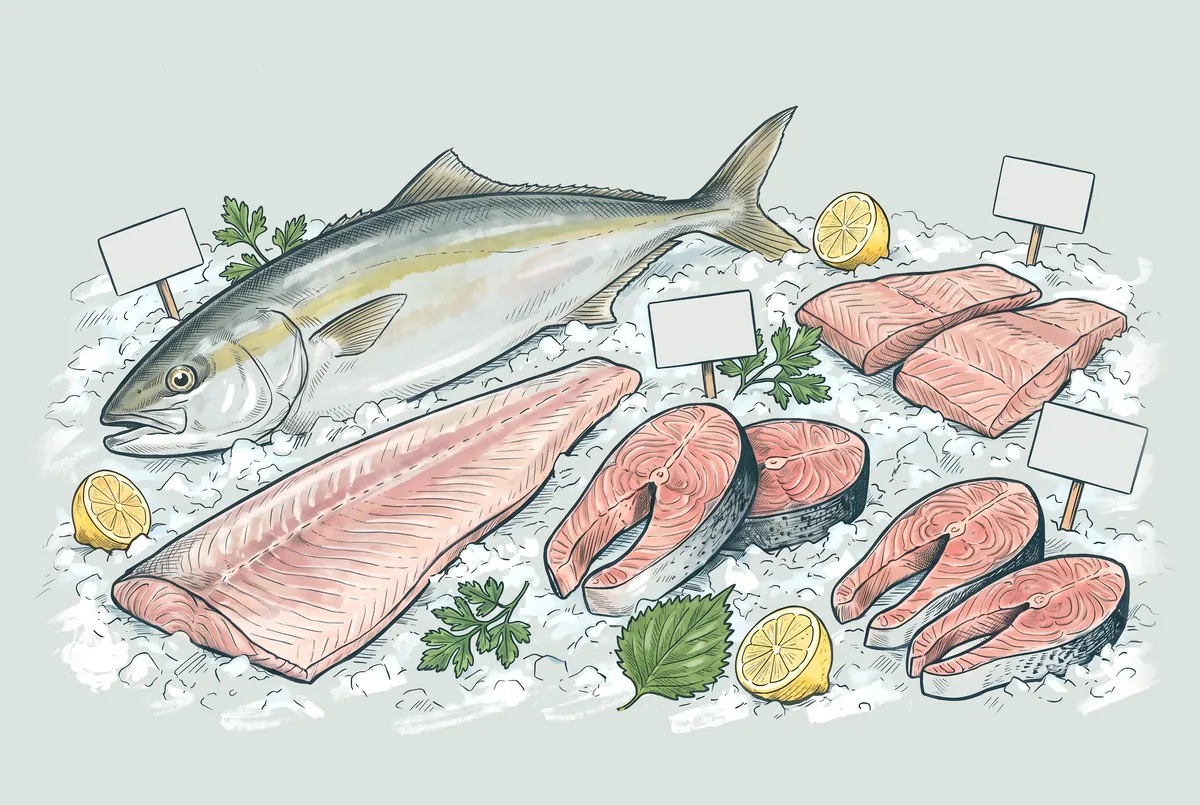
three views
How to recognise Japanese amberjack
How is the stock doing?
Farms collect young yellowtail drifting under seaweed, called mojako, in spring. Some farms now breed their own fish. Pollution from pens and fishmeal use are the main concerns.
What to look for when buying
Ask for hatchery-raised hamachi, or try US-farmed or Australian amberjack from land-based farms.
Japanese amberjack in Japan
Buri is the adult fish, hamachi the younger. Buri daikon, simmered with radish, is a winter dish; hamachi sashimi with jalapeño became famous in fusion restaurants.
Questions about Japanese amberjack
Is hamachi the same as buri?
Same species. Hamachi is younger, buri the adult.
Is hamachi farmed?
Yes, most hamachi sold is farmed in Japan.
Sources
Consulted in October and November 2026.
More: farmed and traded worldwide
- Alaska pollockchoose Alaska (US)
- pangasiusfarmed: choose ASC
- tilapiafarmed: choose ASC
- coleyNorth Sea: lost MSC
- halibutchoose MSC, in moderation
- gilthead sea breamfarmed: choose ASC
- sardinescheck the origin
- anchovieschoose Bay of Biscay
- Nile perchonly with Naturland
- redfishbest avoided
- red snapperbest avoided
- cobiafarmed: check
- barramundiAustralian farmed: good
- meagrefarmed in the Med
- large yellow croakerwild collapsed, farmed
- red seabreamfarmed: check
- coho salmonwild Alaska: good
- Siberian sturgeonfarmed caviar: fine
- Japanese sea bassfarmed: check