Is ayu (sweetfish) sustainable?
Short answer · mostly farmed or stocked
Ayu lives only one year and is a summer favourite in Japan, grilled whole on a skewer with salt. Most ayu on the market is farmed, and many rivers are restocked. The species is listed as data deficient by the IUCN.
Updated · Japan
- Latin name
- Plecoglossus altivelis
- Wild or farmed
- Mostly farmed, rivers often restocked
- Where
- Japan, Korea, China, Taiwan
- Status
- Data deficient (IUCN)
- Season
- Summer, from June
three views
How to recognise ayu
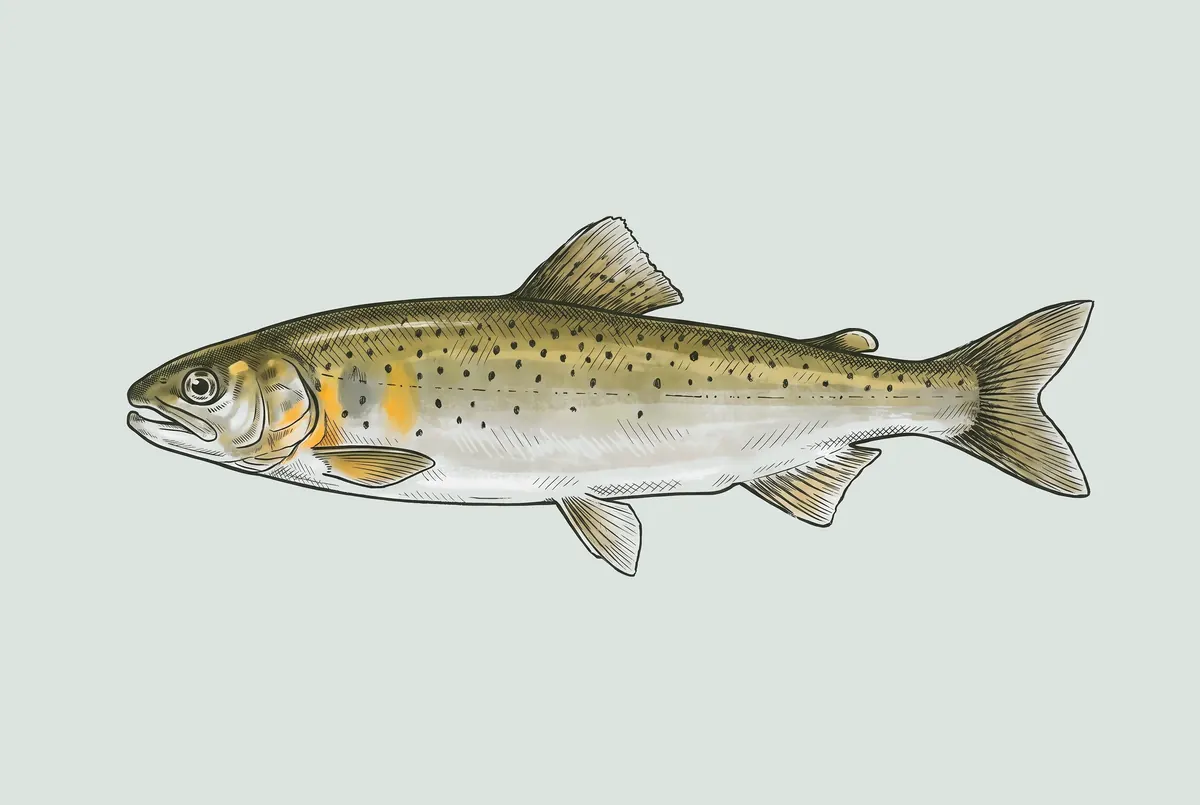
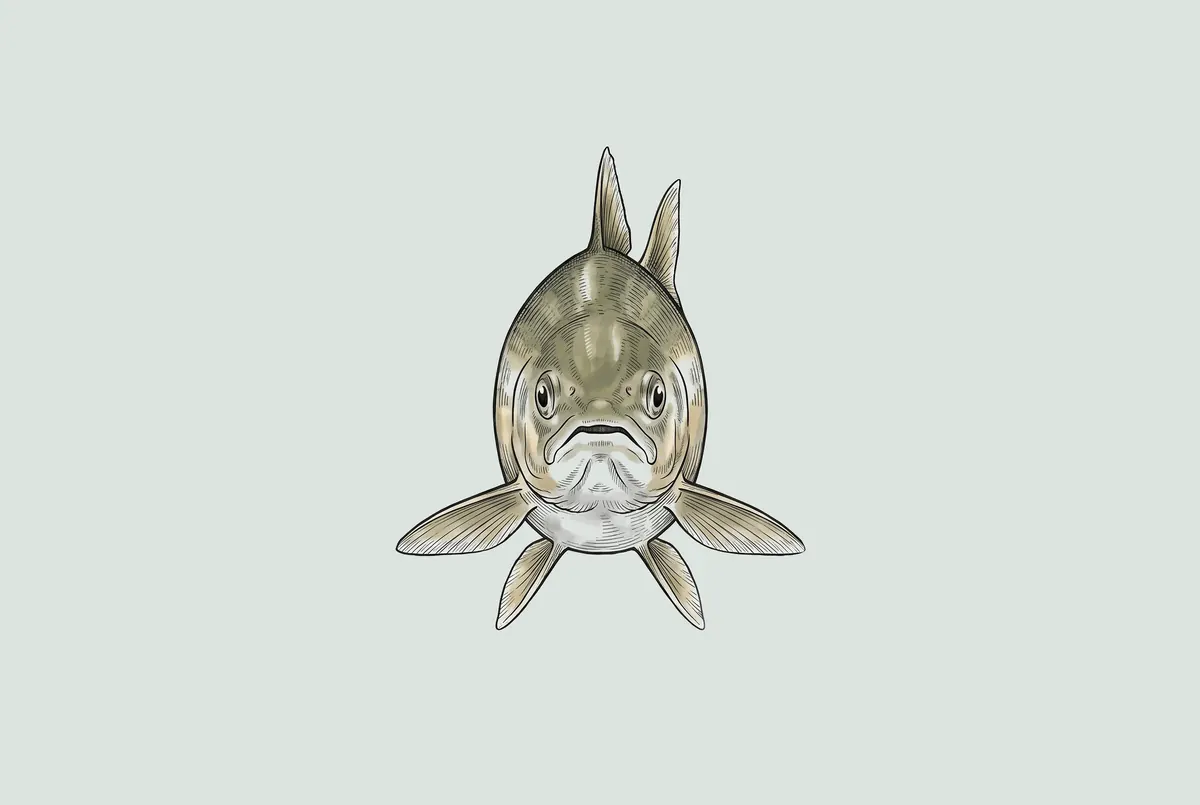
How is the stock doing?
Ayu hatch in rivers, spend the winter in the sea and return in spring to feed on algae on the stones. Dams and river works have hurt many wild runs, and a subspecies on the Ryukyu Islands is threatened. Fishing seasons are set by river.
What to look for when buying
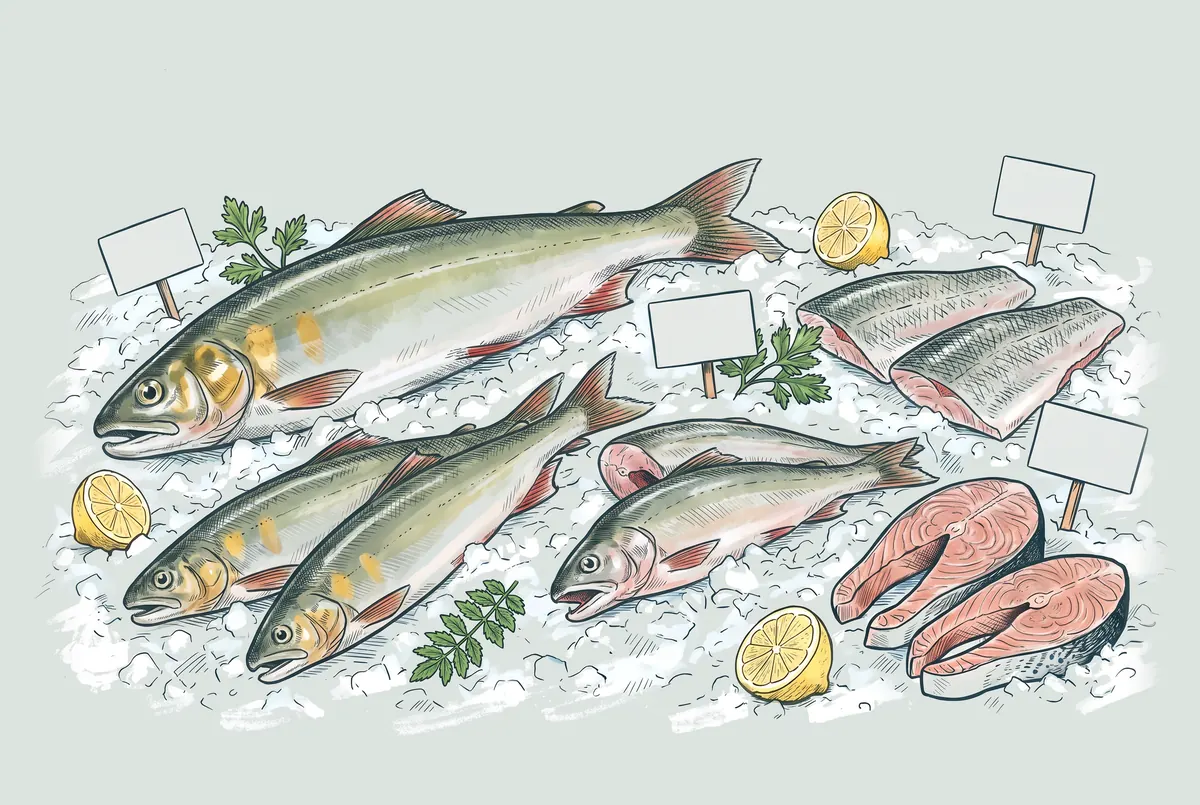
Farmed ayu is widely available and a reasonable choice. Wild river ayu is a seasonal treat from licensed river fishers. Ask which river it comes from.
Ayu in Japan
On the Nagara River in Gifu, fishers still catch ayu with trained cormorants at night, a tradition of more than 1,300 years. The fish is said to smell of watermelon or cucumber, which is why it is called sweetfish.
Questions about ayu
Why is ayu called sweetfish?
Fresh ayu has a sweet scent, often compared to watermelon or cucumber, from the algae it eats.
What is cormorant fishing?
Ukai: fishers use trained cormorants to catch ayu at night by torchlight. On the Nagara River in Gifu it runs from May to October.
Is ayu farmed?
Yes. Most ayu sold in Japan is farmed, and many rivers are restocked with young fish.
Sources
Consulted in October and November 2026.
More: delicacies of the world
- fugulicensed chef, farmed
- Japanese eelendangered
- snow crabcheck the origin
- beluga sturgeonwild: critically endangered
- Greenland sharkvulnerable, very slow
- Japanese sea cucumberchoose farmed
- Chinese mitten crabfarmed in China
- mandarin fishfarmed, least concern
- humphead wrasseendangered, CITES
- small yellow croakerheavily fished
- milkfishfarmed in ponds
- giant river prawnfarmed in ponds
- mud crabcheck the origin
- hilsarespect the ban
- Bombay duckcatches falling
- silver pomfretGulf stocks low
- hamourwild: overfished
- bluefishwatch the size
- Baikal omulfishing banned
- vendaceKalix: protected name
- red king crabNorway: managed
- arctic charfarmed: good choice
- brown crabcheck the area
- European flat oysterrare, mostly farmed
- red mulletMed: overfished
- red scorpionfishsmall catches
- purple sea urchinlimit the harvest
- flathead grey mulletleast concern
- Mediterranean green crabsmall lagoon catch
- goose barnacleGalicia: regulated
- Atlantic bluefin tunarecovered, strict quotas
- albacorepole and troll: good
- common octopuswild: check, avoid farmed
- sea lampreydeclining in Europe
- black scabbardfishdeep sea: check
- white groupernear threatened
- chambocollapsed, threatened
- snoekSASSI green
- perlemoen abalonewild: poached
- bonga shadpressure from fishmeal
- American lobstercheck the area
- sockeye salmonAlaska: well managed
- geoduckdive-caught or farmed
- red swamp crayfishfarmed in rice fields
- Atlantic blue crabinvasive in Europe
- Caribbean spiny lobstercheck the season
- queen conchCITES, declining
- red lionfisheat it: invasive
- Mexican four-eyed octopuslocal, seasonal
- fine flounderlocal catch, check size
- black ark clamrespect the size
- arapaimachoose managed
- Argentine red shrimpcheck bycatch
- Patagonian toothfishchoose MSC
- western rock lobsterfirst MSC fishery
- green-lipped musselfarmed: good choice
- coconut crabvulnerable
- mahi-mahiline-caught is better