Is fugu safe and sustainable?
Short answer · licensed chef, farmed
Eat fugu only in a restaurant with a licensed fugu chef: parts of the fish contain tetrodotoxin, a nerve poison with no antidote. The tiger puffer is listed as near threatened, so farmed fugu is the better choice.
Updated · Japan
- Latin name
- Takifugu rubripes
- Wild or farmed
- Both; most fugu in Japan is farmed
- Where
- Japan, Korea, East China Sea
- Status
- Near threatened (IUCN)
- Rule
- Only licensed chefs may prepare it in Japan
three views
How to recognise fugu
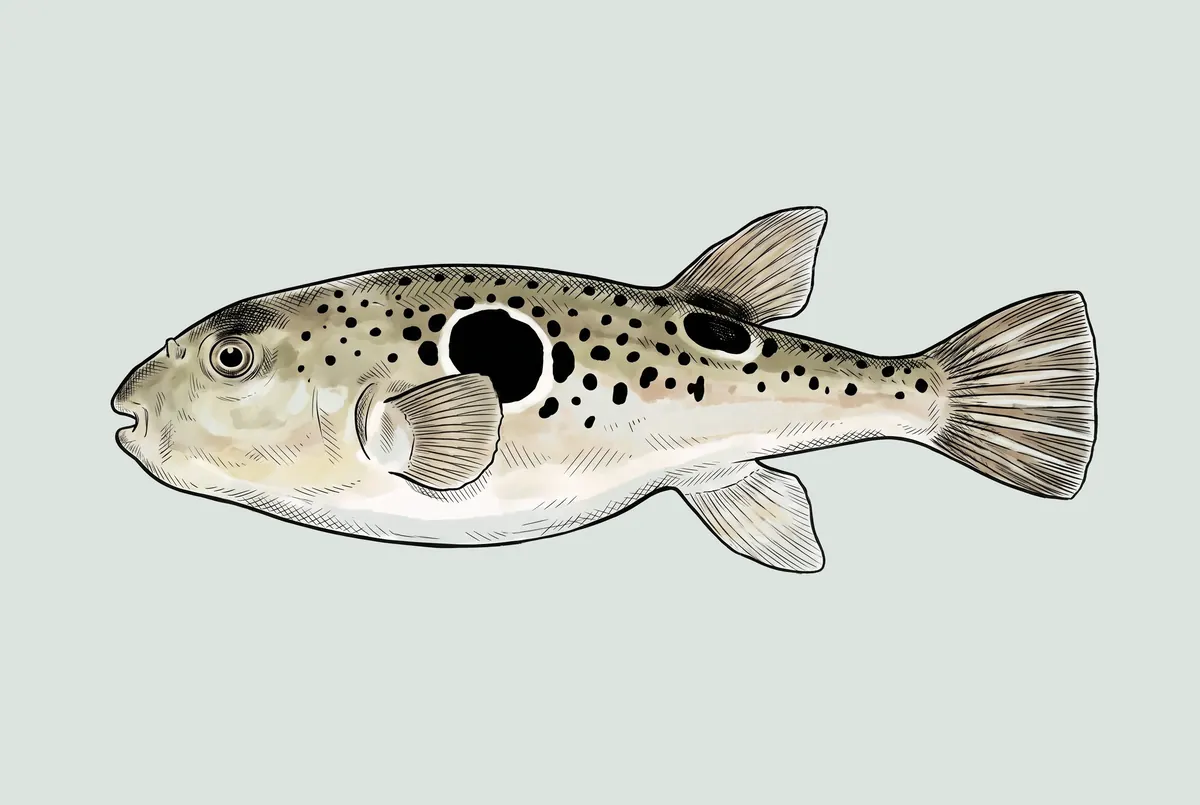
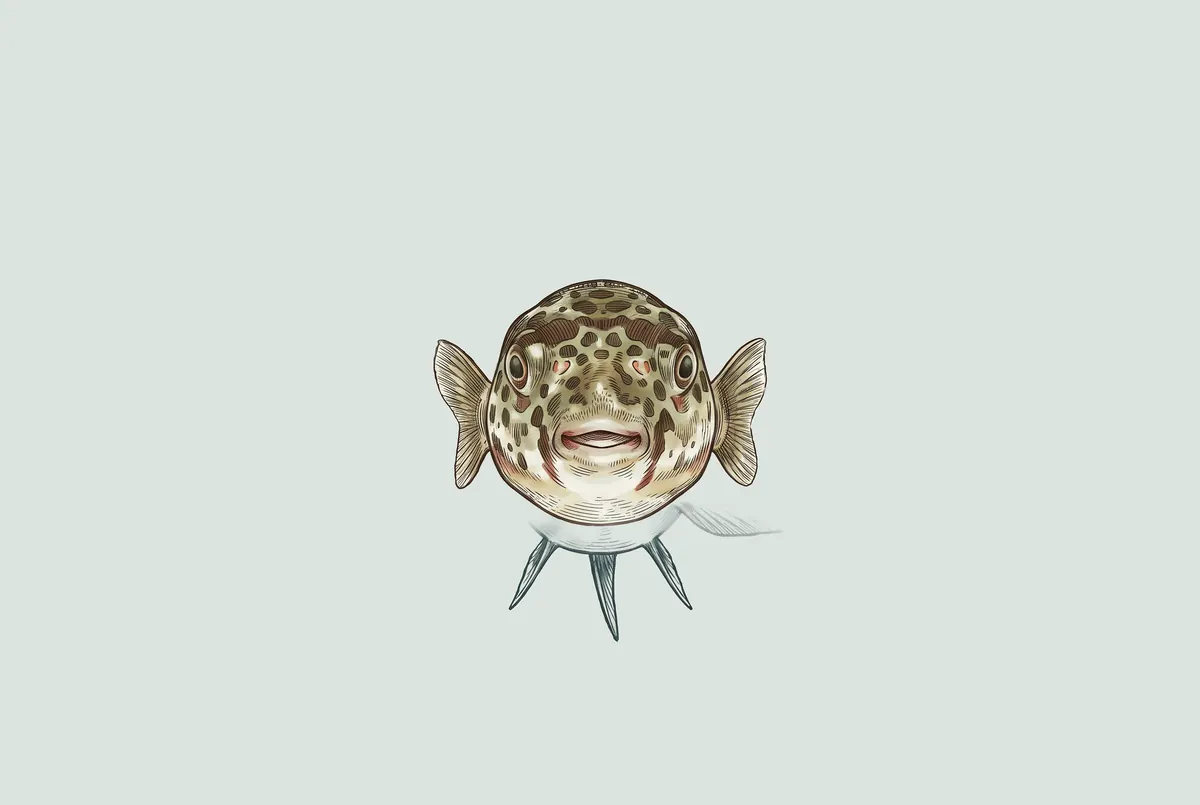
How is the stock doing?
The wild tiger puffer is on the IUCN Red List as near threatened. Catches in the seas around Japan, Korea and China have fallen, and Japan now farms most of the fugu it eats, in net pens and land-based tanks.
What to look for when buying
Eat fugu in a licensed restaurant, never prepared at home. Ask whether it is farmed or wild. Farmed fugu takes pressure off the wild stock, and farms that raise the fish on safe feed produce puffers with little or no toxin.
Fugu in Japan
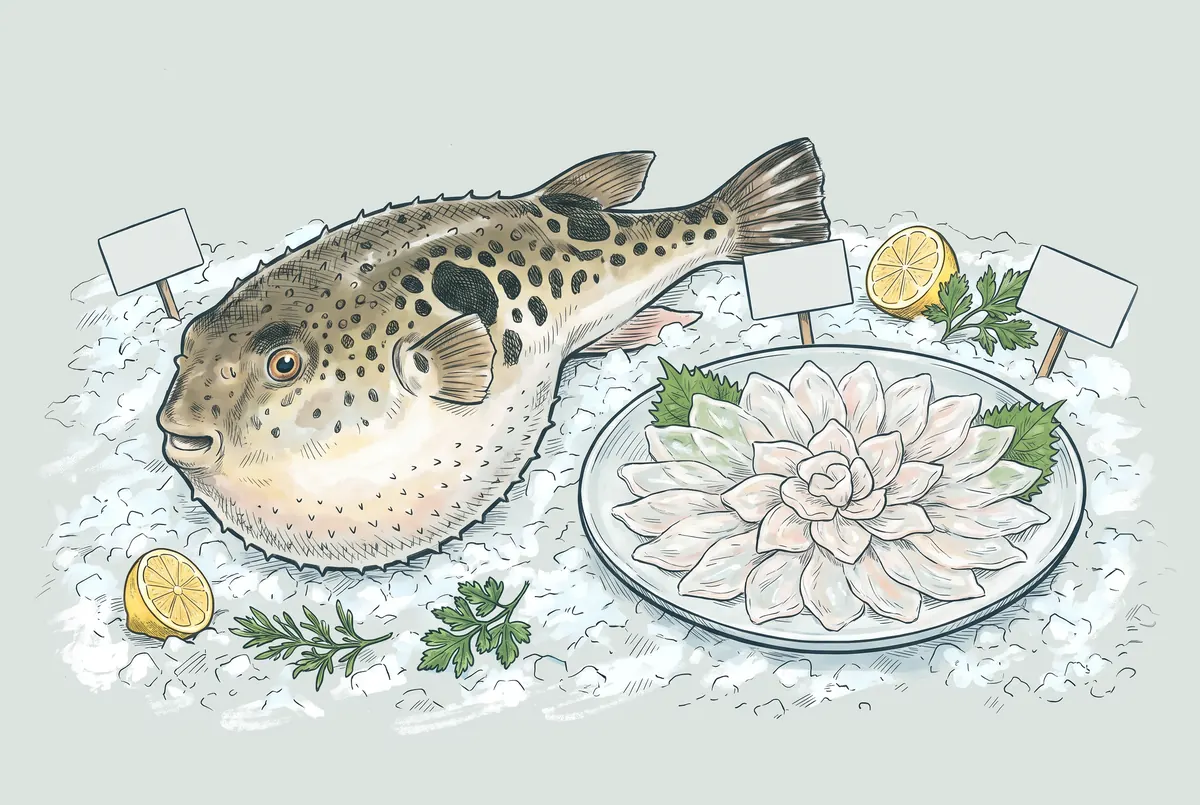
In Japan fugu is a winter dish, served as paper-thin sashimi arranged like a chrysanthemum, or in a hot pot. Shimonoseki is the fugu capital. Chefs need a licence, and the liver has been banned from restaurants for decades.
Questions about fugu
Why is fugu poisonous?
Wild puffers build up tetrodotoxin from bacteria in their food. It sits mainly in the liver, ovaries and skin. A small amount can paralyse and kill, and there is no antidote.
Is farmed fugu safe?
Farmed fugu raised on clean feed carries little or no toxin, but in Japan it is still prepared by licensed chefs and the liver is not served.
Is fugu endangered?
The tiger puffer is listed as near threatened by the IUCN. Choosing farmed fugu helps the wild stock.
Sources
Consulted in October and November 2026.
More: delicacies of the world
- Japanese eelendangered
- snow crabcheck the origin
- ayumostly farmed or stocked
- beluga sturgeonwild: critically endangered
- Greenland sharkvulnerable, very slow
- Japanese sea cucumberchoose farmed
- Chinese mitten crabfarmed in China
- mandarin fishfarmed, least concern
- humphead wrasseendangered, CITES
- small yellow croakerheavily fished
- milkfishfarmed in ponds
- giant river prawnfarmed in ponds
- mud crabcheck the origin
- hilsarespect the ban
- Bombay duckcatches falling
- silver pomfretGulf stocks low
- hamourwild: overfished
- bluefishwatch the size
- Baikal omulfishing banned
- vendaceKalix: protected name
- red king crabNorway: managed
- arctic charfarmed: good choice
- brown crabcheck the area
- European flat oysterrare, mostly farmed
- red mulletMed: overfished
- red scorpionfishsmall catches
- purple sea urchinlimit the harvest
- flathead grey mulletleast concern
- Mediterranean green crabsmall lagoon catch
- goose barnacleGalicia: regulated
- Atlantic bluefin tunarecovered, strict quotas
- albacorepole and troll: good
- common octopuswild: check, avoid farmed
- sea lampreydeclining in Europe
- black scabbardfishdeep sea: check
- white groupernear threatened
- chambocollapsed, threatened
- snoekSASSI green
- perlemoen abalonewild: poached
- bonga shadpressure from fishmeal
- American lobstercheck the area
- sockeye salmonAlaska: well managed
- geoduckdive-caught or farmed
- red swamp crayfishfarmed in rice fields
- Atlantic blue crabinvasive in Europe
- Caribbean spiny lobstercheck the season
- queen conchCITES, declining
- red lionfisheat it: invasive
- Mexican four-eyed octopuslocal, seasonal
- fine flounderlocal catch, check size
- black ark clamrespect the size
- arapaimachoose managed
- Argentine red shrimpcheck bycatch
- Patagonian toothfishchoose MSC
- western rock lobsterfirst MSC fishery
- green-lipped musselfarmed: good choice
- coconut crabvulnerable
- mahi-mahiline-caught is better