- fishtakes
- fish guide
- coconut crab
Is coconut crab sustainable?
Short answer · vulnerable
The coconut crab is the largest land-living arthropod, can live for decades and is listed as vulnerable. Island communities eat it, and tourists drive demand in restaurants. Leave it off the menu as a visitor, so local stocks last.
Updated · Vanuatu, Pacific islands
- Latin name
- Birgus latro
- Wild or farmed
- Wild
- Where
- Vanuatu, Pacific and Indian Ocean islands
- Status
- Vulnerable (IUCN)
- Rule
- Size limits and bans on some islands
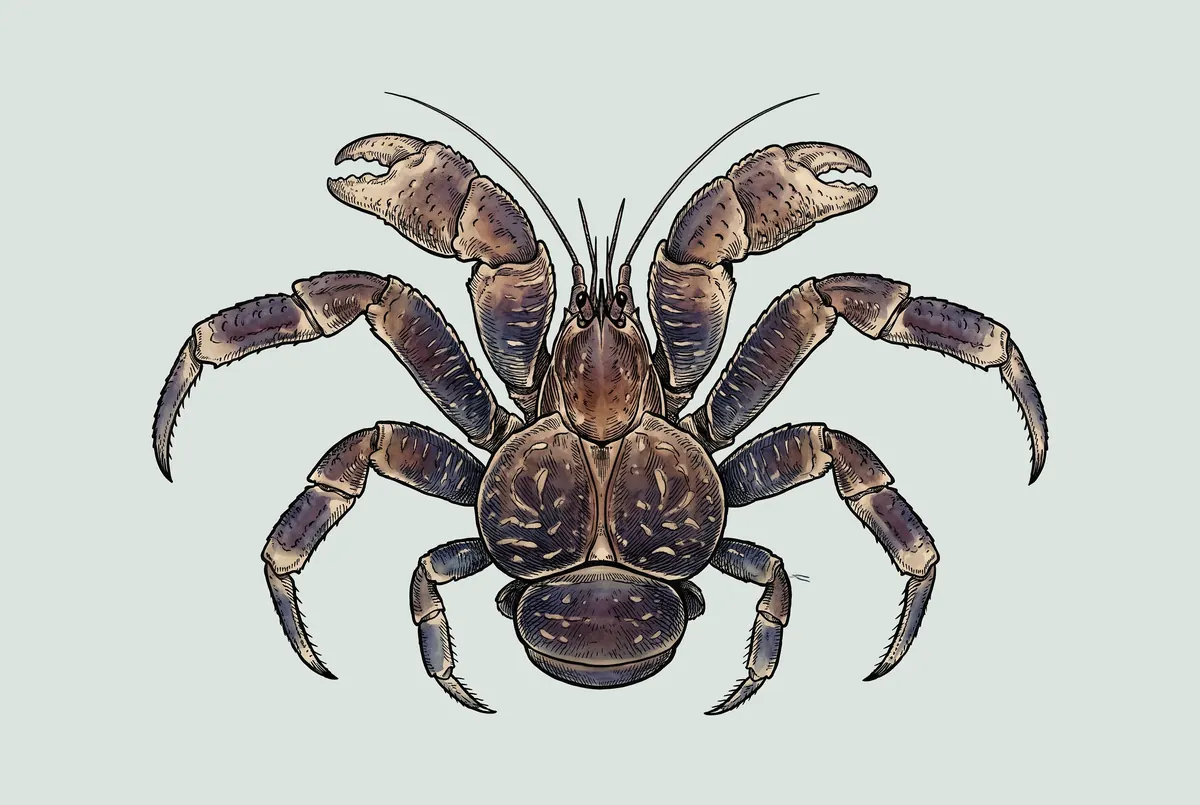
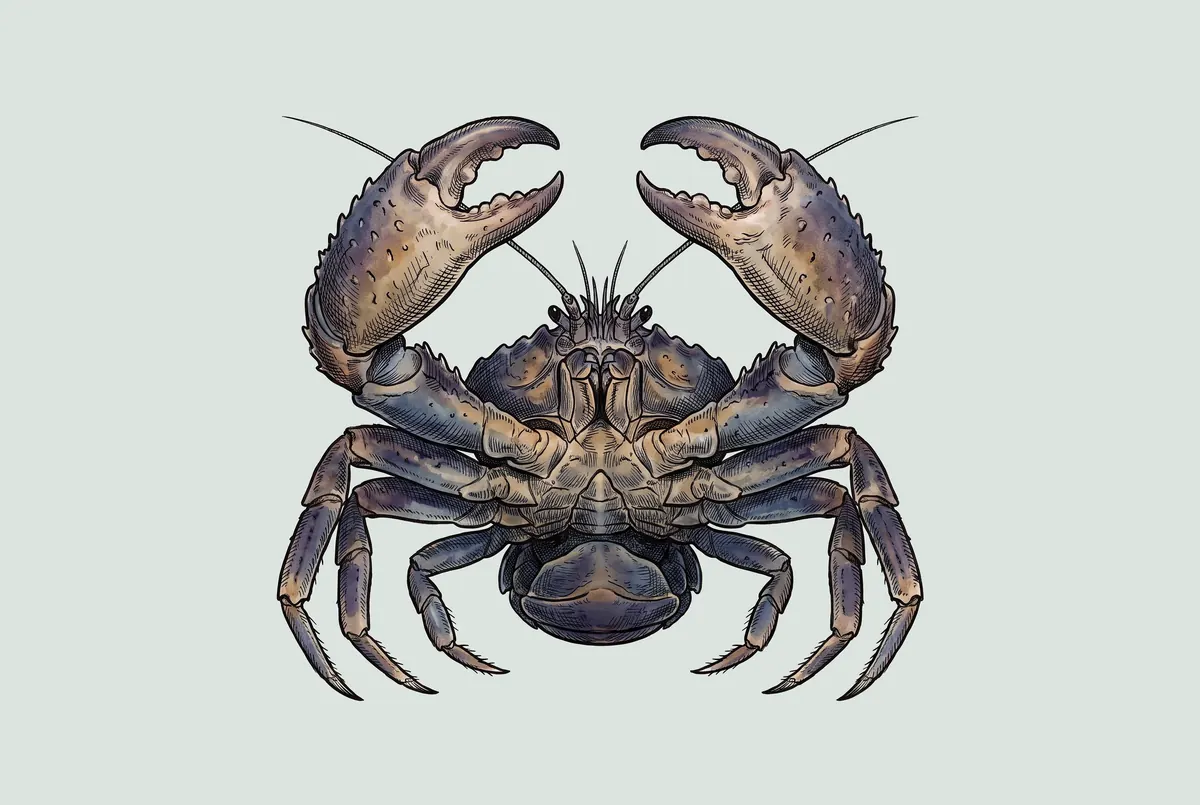
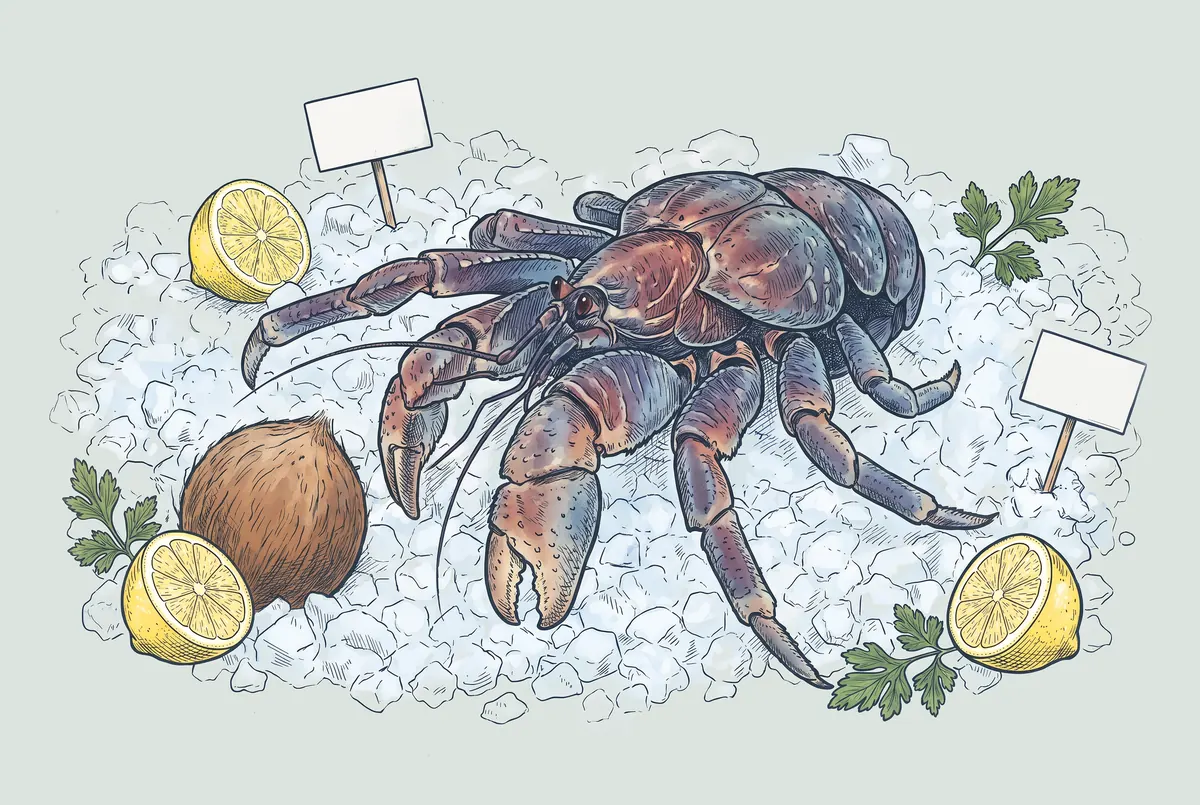
three views
How to recognise coconut crab
How is the stock doing?
Coconut crabs grow very slowly and need years to mature. On many islands they disappeared after people moved in. Vanuatu and others limit the harvest and the size.
What to look for when buying
As a visitor, do not order coconut crab. Local people eat it as a traditional food; tourist demand adds pressure.
Coconut crab in Vanuatu
In Vanuatu, coconut crab was a celebrated restaurant dish for visitors, cooked in coconut milk. The crab can crack coconuts with its claws.
Questions about coconut crab
Can a coconut crab really open coconuts?
Yes, with its very strong claws, though it also eats fruit, seeds and carrion.
How big is a coconut crab?
Up to about 4 kilograms and a leg span of almost a metre.
Is coconut crab endangered?
It is listed as vulnerable by the IUCN.
Sources
Consulted in October and November 2026.
More: delicacies of the world
- fugulicensed chef, farmed
- Japanese eelendangered
- snow crabcheck the origin
- ayumostly farmed or stocked
- beluga sturgeonwild: critically endangered
- Greenland sharkvulnerable, very slow
- Japanese sea cucumberchoose farmed
- Chinese mitten crabfarmed in China
- mandarin fishfarmed, least concern
- humphead wrasseendangered, CITES
- small yellow croakerheavily fished
- milkfishfarmed in ponds
- giant river prawnfarmed in ponds
- mud crabcheck the origin
- hilsarespect the ban
- Bombay duckcatches falling
- silver pomfretGulf stocks low
- hamourwild: overfished
- bluefishwatch the size
- Baikal omulfishing banned
- vendaceKalix: protected name
- red king crabNorway: managed
- arctic charfarmed: good choice
- brown crabcheck the area
- European flat oysterrare, mostly farmed
- red mulletMed: overfished
- red scorpionfishsmall catches
- purple sea urchinlimit the harvest
- flathead grey mulletleast concern
- Mediterranean green crabsmall lagoon catch
- goose barnacleGalicia: regulated
- Atlantic bluefin tunarecovered, strict quotas
- albacorepole and troll: good
- common octopuswild: check, avoid farmed
- sea lampreydeclining in Europe
- black scabbardfishdeep sea: check
- white groupernear threatened
- chambocollapsed, threatened
- snoekSASSI green
- perlemoen abalonewild: poached
- bonga shadpressure from fishmeal
- American lobstercheck the area
- sockeye salmonAlaska: well managed
- geoduckdive-caught or farmed
- red swamp crayfishfarmed in rice fields
- Atlantic blue crabinvasive in Europe
- Caribbean spiny lobstercheck the season
- queen conchCITES, declining
- red lionfisheat it: invasive
- Mexican four-eyed octopuslocal, seasonal
- fine flounderlocal catch, check size
- black ark clamrespect the size
- arapaimachoose managed
- Argentine red shrimpcheck bycatch
- Patagonian toothfishchoose MSC
- western rock lobsterfirst MSC fishery
- green-lipped musselfarmed: good choice
- mahi-mahiline-caught is better