- fishtakes
- fish guide
- red mullet
Is red mullet sustainable?
Short answer · Med: overfished
Striped red mullet is fished across the Mediterranean and the Northeast Atlantic. Many Mediterranean stocks are fished too hard, often by trawlers catching young fish. Choose larger fish, preferably caught with nets or lines by small boats.
Updated · France, Greece, Mediterranean
- Latin name
- Mullus surmuletus
- Wild or farmed
- Wild
- Where
- France, Greece, Spain, Mediterranean
- Status
- Mixed; many Med stocks overfished
- Tip
- Choose larger fish
three views
How to recognise red mullet
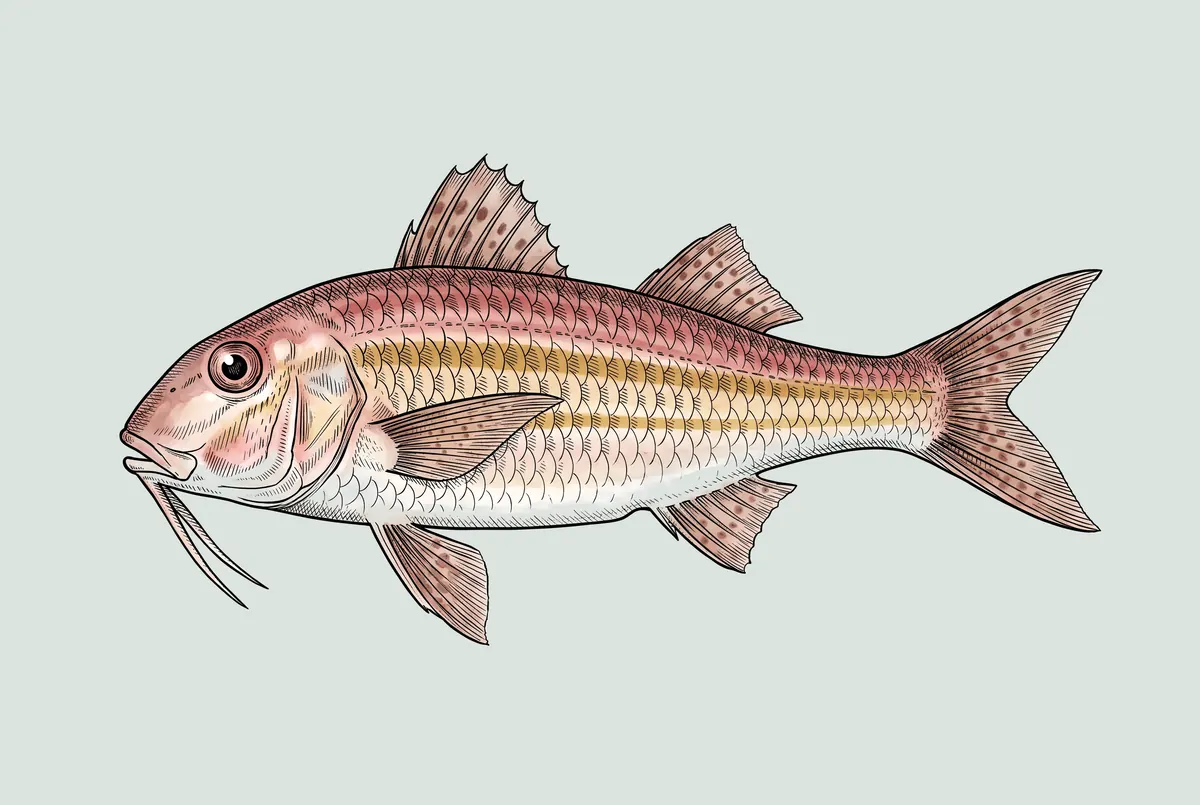
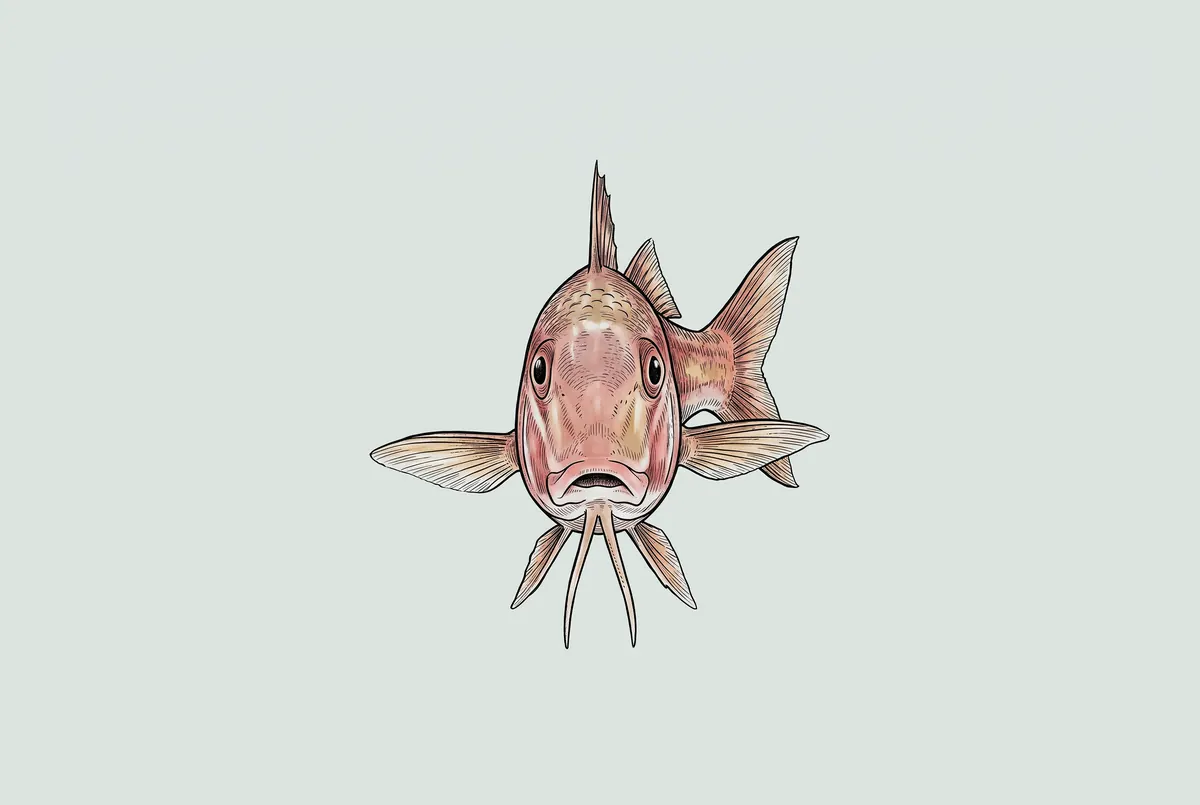
How is the stock doing?
The Mediterranean is one of the most overfished seas in the world. Red mullet are often caught by bottom trawls, which also take small fish and damage the seabed. Atlantic stocks in the Channel and Bay of Biscay are in a better state.
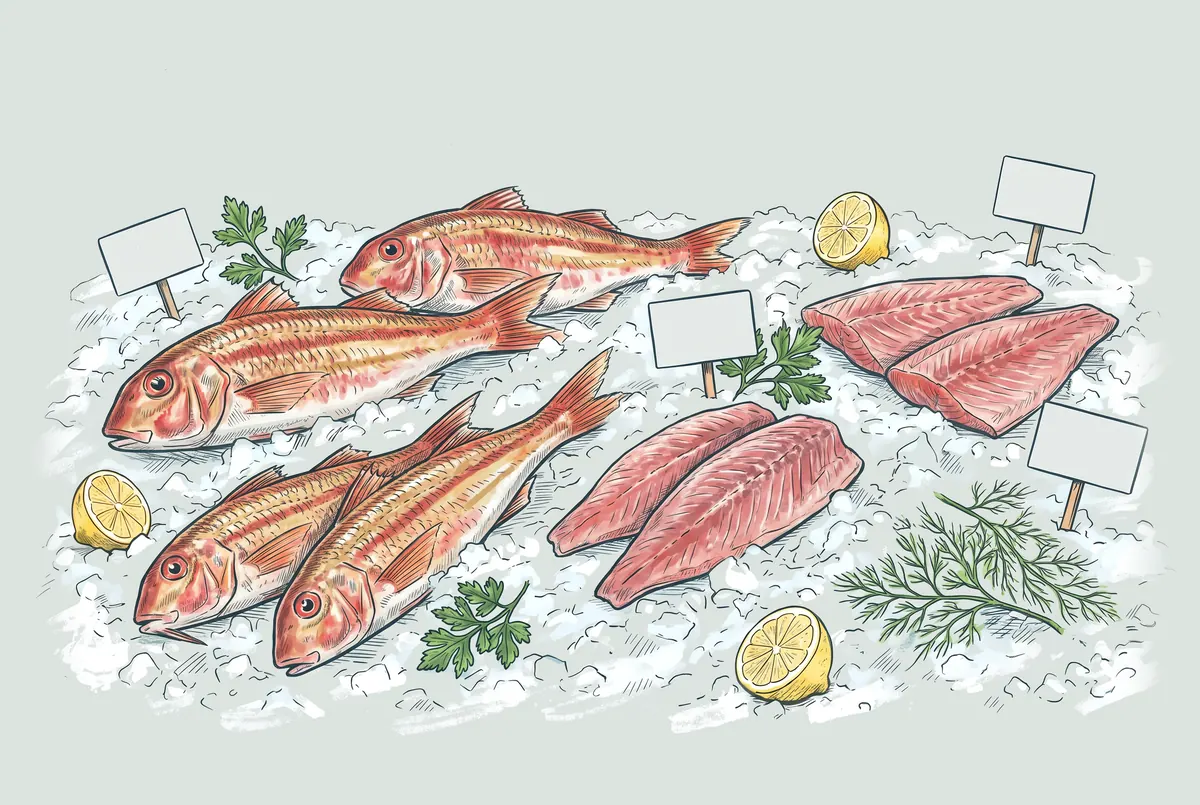
What to look for when buying
Buy red mullet of at least about 15 centimetres, from small-scale fishers. Atlantic red mullet from the Channel is a better bet than many Mediterranean fish.
Red mullet in France
Rouget is fried whole in Provence, grilled in Greece as barbounia and served with lemon. Its liver is a prized bite.
Questions about red mullet
Is red mullet the same as goatfish?
Yes. Red mullets belong to the goatfish family, named for their two chin barbels.
What is barbounia?
The Greek name for red mullet, usually fried whole.
Why choose larger fish?
Larger fish have had the chance to spawn at least once.
Sources
Consulted in October and November 2026.
More: delicacies of the world
- fugulicensed chef, farmed
- Japanese eelendangered
- snow crabcheck the origin
- ayumostly farmed or stocked
- beluga sturgeonwild: critically endangered
- Greenland sharkvulnerable, very slow
- Japanese sea cucumberchoose farmed
- Chinese mitten crabfarmed in China
- mandarin fishfarmed, least concern
- humphead wrasseendangered, CITES
- small yellow croakerheavily fished
- milkfishfarmed in ponds
- giant river prawnfarmed in ponds
- mud crabcheck the origin
- hilsarespect the ban
- Bombay duckcatches falling
- silver pomfretGulf stocks low
- hamourwild: overfished
- bluefishwatch the size
- Baikal omulfishing banned
- vendaceKalix: protected name
- red king crabNorway: managed
- arctic charfarmed: good choice
- brown crabcheck the area
- European flat oysterrare, mostly farmed
- red scorpionfishsmall catches
- purple sea urchinlimit the harvest
- flathead grey mulletleast concern
- Mediterranean green crabsmall lagoon catch
- goose barnacleGalicia: regulated
- Atlantic bluefin tunarecovered, strict quotas
- albacorepole and troll: good
- common octopuswild: check, avoid farmed
- sea lampreydeclining in Europe
- black scabbardfishdeep sea: check
- white groupernear threatened
- chambocollapsed, threatened
- snoekSASSI green
- perlemoen abalonewild: poached
- bonga shadpressure from fishmeal
- American lobstercheck the area
- sockeye salmonAlaska: well managed
- geoduckdive-caught or farmed
- red swamp crayfishfarmed in rice fields
- Atlantic blue crabinvasive in Europe
- Caribbean spiny lobstercheck the season
- queen conchCITES, declining
- red lionfisheat it: invasive
- Mexican four-eyed octopuslocal, seasonal
- fine flounderlocal catch, check size
- black ark clamrespect the size
- arapaimachoose managed
- Argentine red shrimpcheck bycatch
- Patagonian toothfishchoose MSC
- western rock lobsterfirst MSC fishery
- green-lipped musselfarmed: good choice
- coconut crabvulnerable
- mahi-mahiline-caught is better