- fishtakes
- fish guide
- bigeye tuna
Is bigeye tuna sustainable?
Short answer · Atlantic: overfished
Bigeye tuna is a slower-growing tuna than yellowfin and is caught by longlines for sashimi and by purse seiners as young fish. The Atlantic stock has been assessed as overfished. Choose bigeye from the Pacific, caught by Hawaiian longliners or with handlines.
Updated · Tropical oceans
- Latin name
- Thunnus obesus
- Wild or farmed
- Wild
- Where
- Tropical oceans, Japan (market)
- Status
- Atlantic overfished
- Use
- Sashimi, sushi
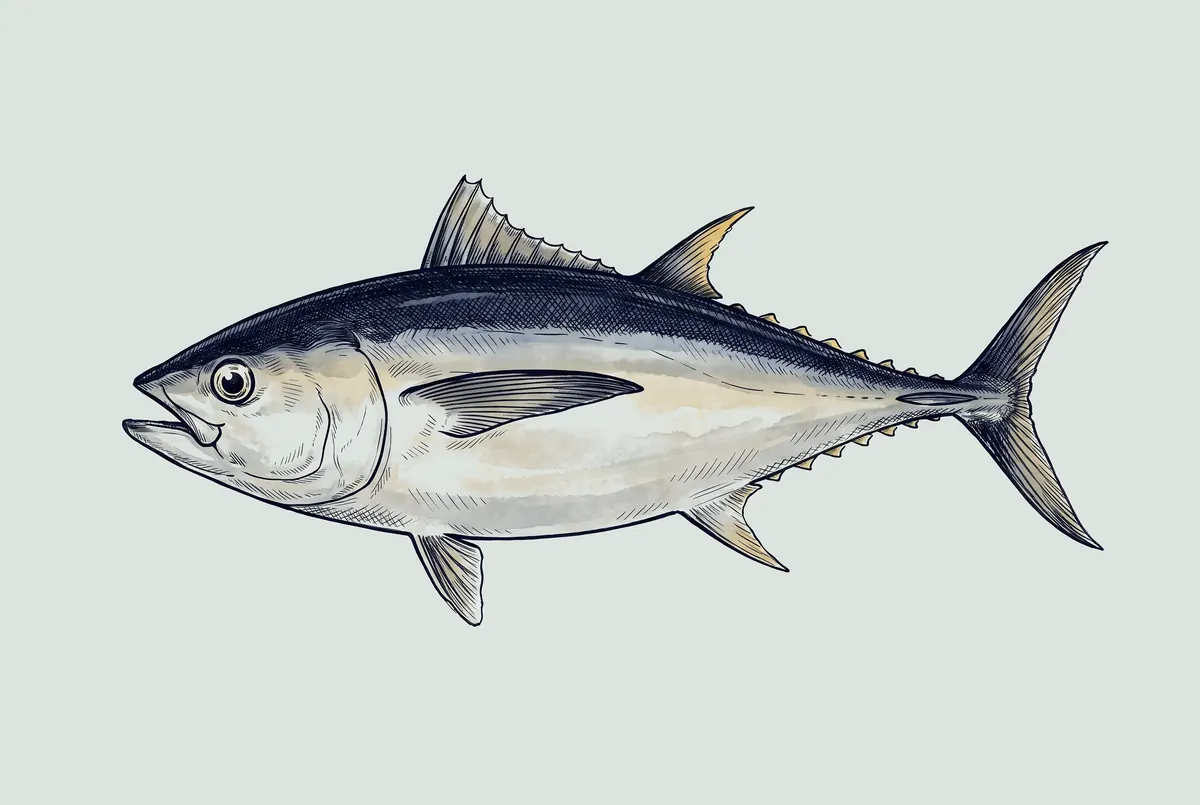
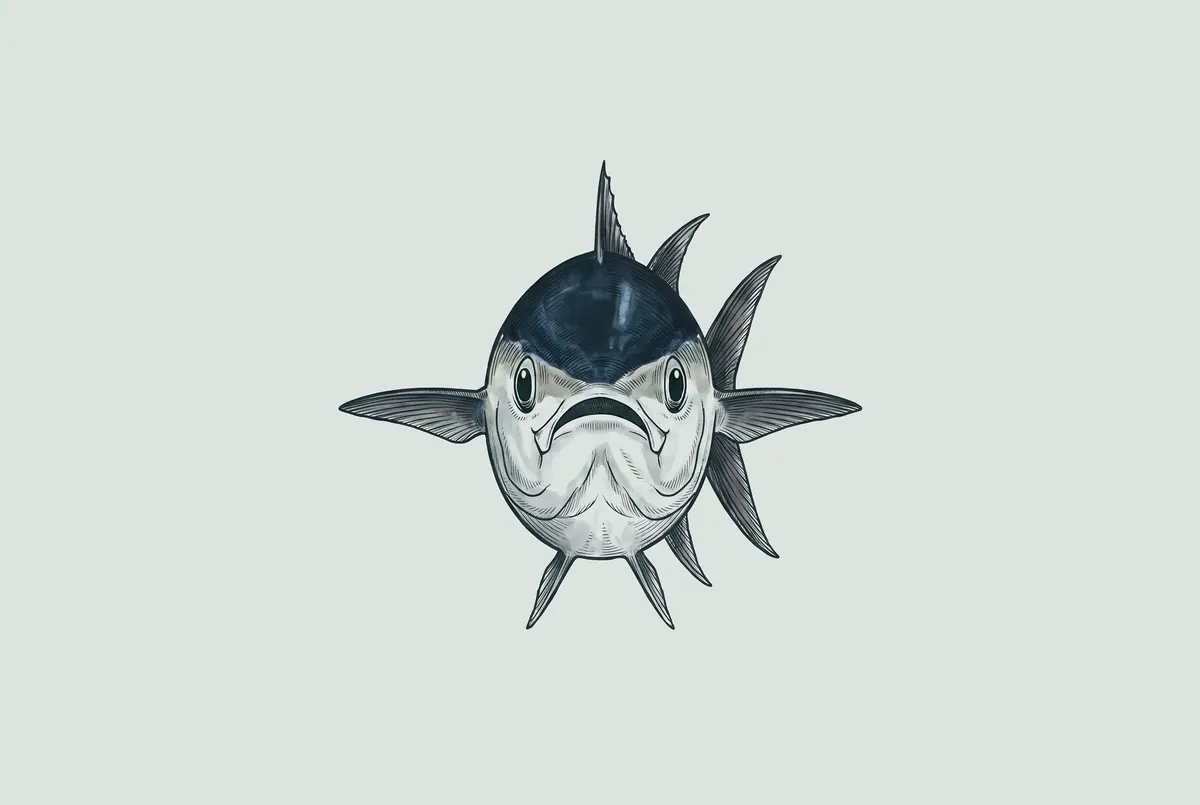
three views
How to recognise bigeye tuna
How is the stock doing?
Purse seiners fishing around floating objects catch many juvenile bigeye together with skipjack. The tuna commissions have cut catch limits, with mixed results.
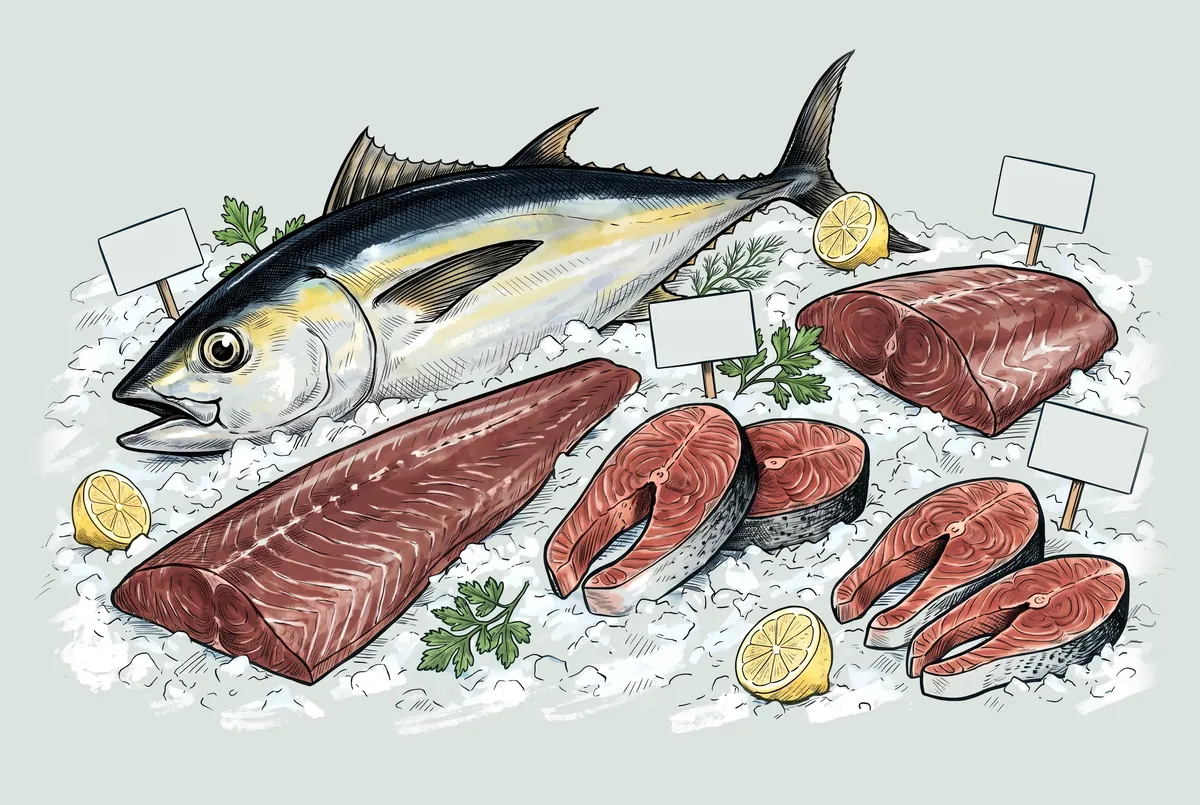
What to look for when buying
Ask for the ocean and the method. Hawaiian longline bigeye is closely monitored by observers.
Bigeye tuna in Japan
In Japan, bigeye is mebachi maguro, a common tuna for sashimi and supermarket sushi, cheaper than bluefin.
Questions about bigeye tuna
How is bigeye different from yellowfin?
Bigeye has larger eyes, more fat and lives deeper. It is preferred for sashimi.
Why are young bigeye a problem?
Many are caught by purse seiners before they can breed.
Sources
Consulted in October and November 2026.
More: ocean fish of the world
- yellowfin tunacheck the ocean
- Pacific bluefin tunarecovering from very low
- southern bluefin tunaendangered, recovering
- swordfishcheck ocean and gear
- Pacific codAlaska: MSC
- chub mackerelheavily fished
- Pacific saurycatches collapsed
- Pacific halibutwell managed
- Greenland halibutcheck the area
- Peruvian anchovetamostly becomes fishmeal
- capelinclosed in weak years
- blue whitingquotas above advice
- HokiMSC since 2001
- Cape hakeMSC since 2004
- Argentine hakerecovering
- orange roughylives over 150 years
- common lingcheck the area
- pollackstock low
- John Dorysmall catches
- spiny dogfishUS: certified
- blue sharkshark, CITES II
- flying fishBarbados: local catch
- narrow-barred Spanish mackerelnear threatened
- Indian mackerelheavily fished
- Indian oil sardineclimate swings
- South American pilchardCalifornia closed
- round sardinellaoverexploited
- Australasian snappercheck the state
- sablefishAlaska: well managed
- wahoofast-growing
- chinook salmonsome runs endangered
- chum salmonAlaska: MSC
- pink salmonAlaska: MSC