- fishtakes
- fish guide
- Cape hake
Is Cape hake sustainable?
Short answer · MSC since 2004
South African trawl-caught Cape hake has been MSC certified since 2004, one of the first fisheries in Africa with the label. Catches are limited by yearly quotas. It is a good choice.
Updated · South Africa, Namibia
- Latin name
- Merluccius capensis
- Wild or farmed
- Wild
- Where
- South Africa, Namibia
- Status
- Well managed
- Label
- MSC
three views
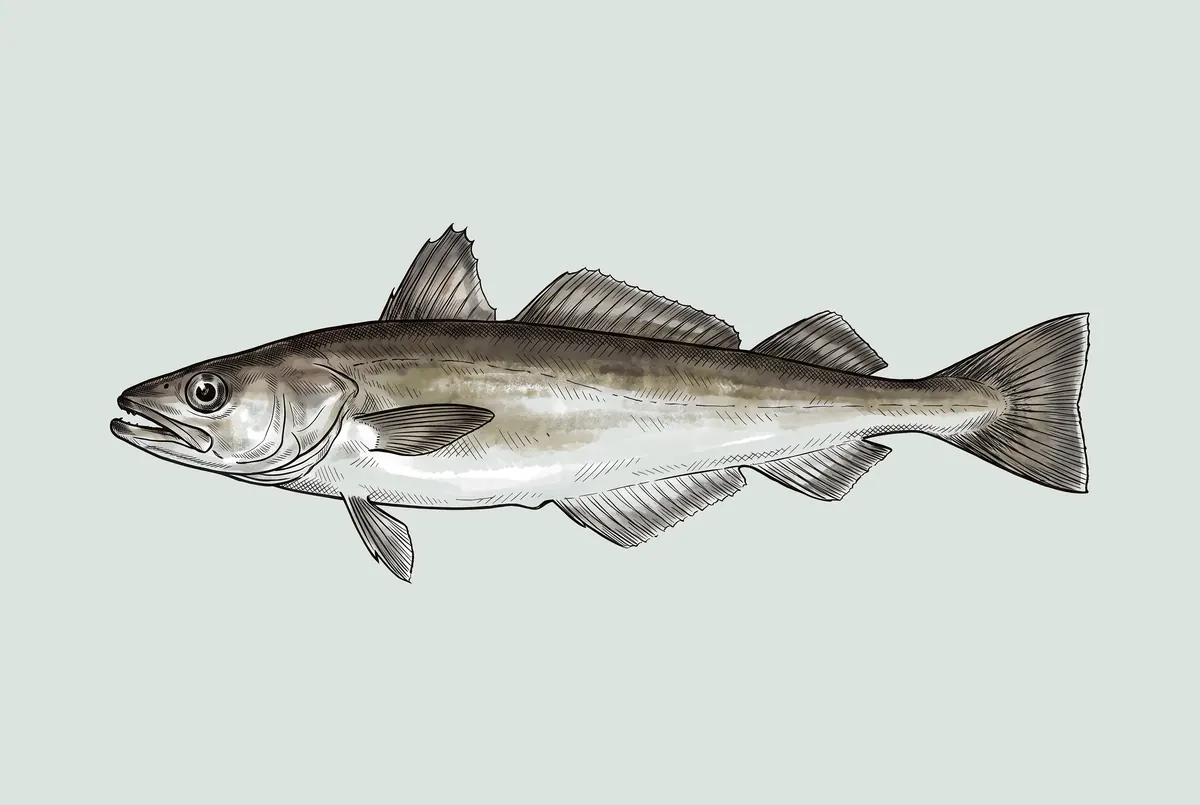
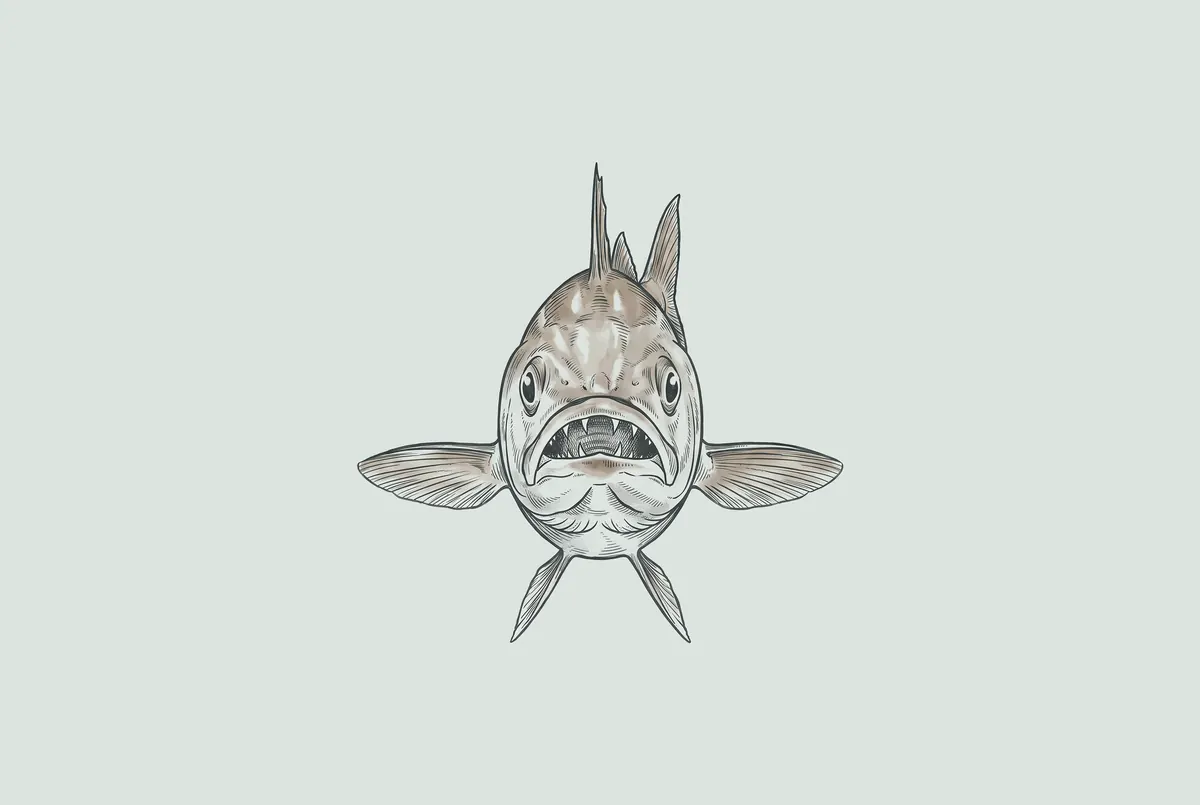
How to recognise Cape hake
How is the stock doing?
Two closely related hake species, shallow-water and deep-water Cape hake, are caught together. Seabird bycatch was cut sharply with bird-scaring lines.
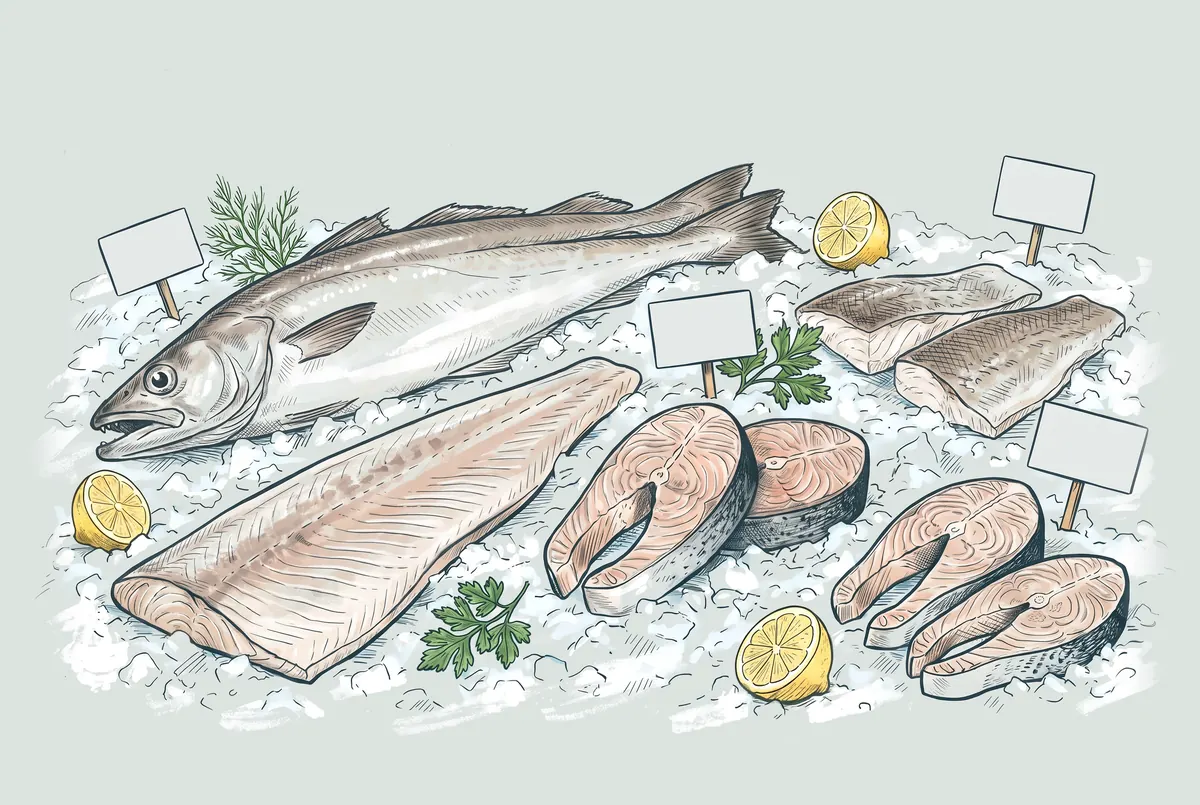
What to look for when buying
Choose MSC Cape hake from South Africa. Namibian hake is also managed with quotas.
Cape hake in South Africa
In South Africa, hake and chips is a weekend classic. Hake is also exported to Spain, a big hake market.
Questions about Cape hake
What is the difference between hake and cod?
Hake is softer and milder; both are white fish.
Is Cape hake in SASSI green?
Trawl and longline caught South African hake is listed as green.
Sources
- Wikipedia, Shallow-water Cape hake
- FishBase, Merluccius capensis
- WWF-SASSI, Southern African Sustainable Seafood Initiative
Consulted in October and November 2026.
More: ocean fish of the world
- yellowfin tunacheck the ocean
- bigeye tunaAtlantic: overfished
- Pacific bluefin tunarecovering from very low
- southern bluefin tunaendangered, recovering
- swordfishcheck ocean and gear
- Pacific codAlaska: MSC
- chub mackerelheavily fished
- Pacific saurycatches collapsed
- Pacific halibutwell managed
- Greenland halibutcheck the area
- Peruvian anchovetamostly becomes fishmeal
- capelinclosed in weak years
- blue whitingquotas above advice
- HokiMSC since 2001
- Argentine hakerecovering
- orange roughylives over 150 years
- common lingcheck the area
- pollackstock low
- John Dorysmall catches
- spiny dogfishUS: certified
- blue sharkshark, CITES II
- flying fishBarbados: local catch
- narrow-barred Spanish mackerelnear threatened
- Indian mackerelheavily fished
- Indian oil sardineclimate swings
- South American pilchardCalifornia closed
- round sardinellaoverexploited
- Australasian snappercheck the state
- sablefishAlaska: well managed
- wahoofast-growing
- chinook salmonsome runs endangered
- chum salmonAlaska: MSC
- pink salmonAlaska: MSC