- fishtakes
- fish guide
- Japanese flying squid
Is Japanese flying squid sustainable?
Short answer · catches fell sharply
Japanese flying squid is listed as least concern, but Japanese catches fell sharply in the past decade, linked to changing sea temperatures and fishing by several countries. Eat it in moderation and prefer Japanese-caught squid under quota.
Updated · Japan, Korea, China
- Latin name
- Todarodes pacificus
- Wild or farmed
- Wild
- Where
- Japan, Korea, China
- Status
- Least concern (IUCN), catches down
- Names
- Surume ika
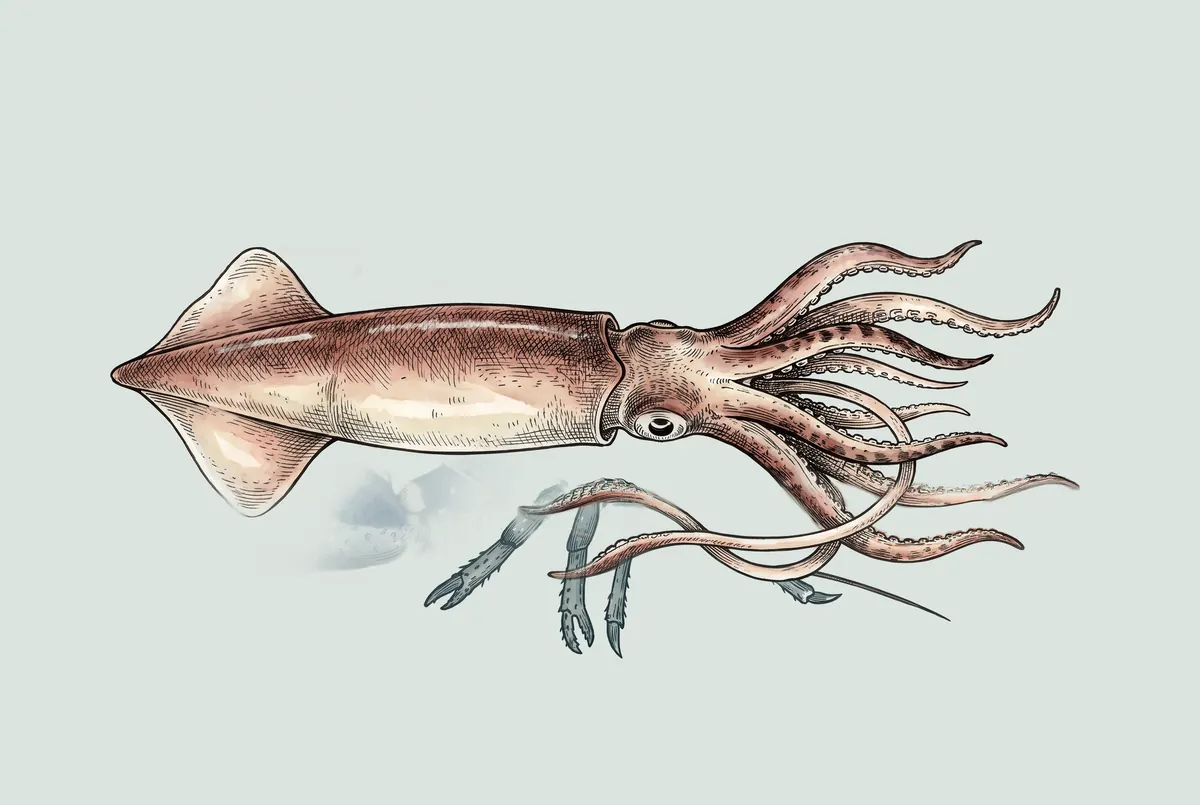
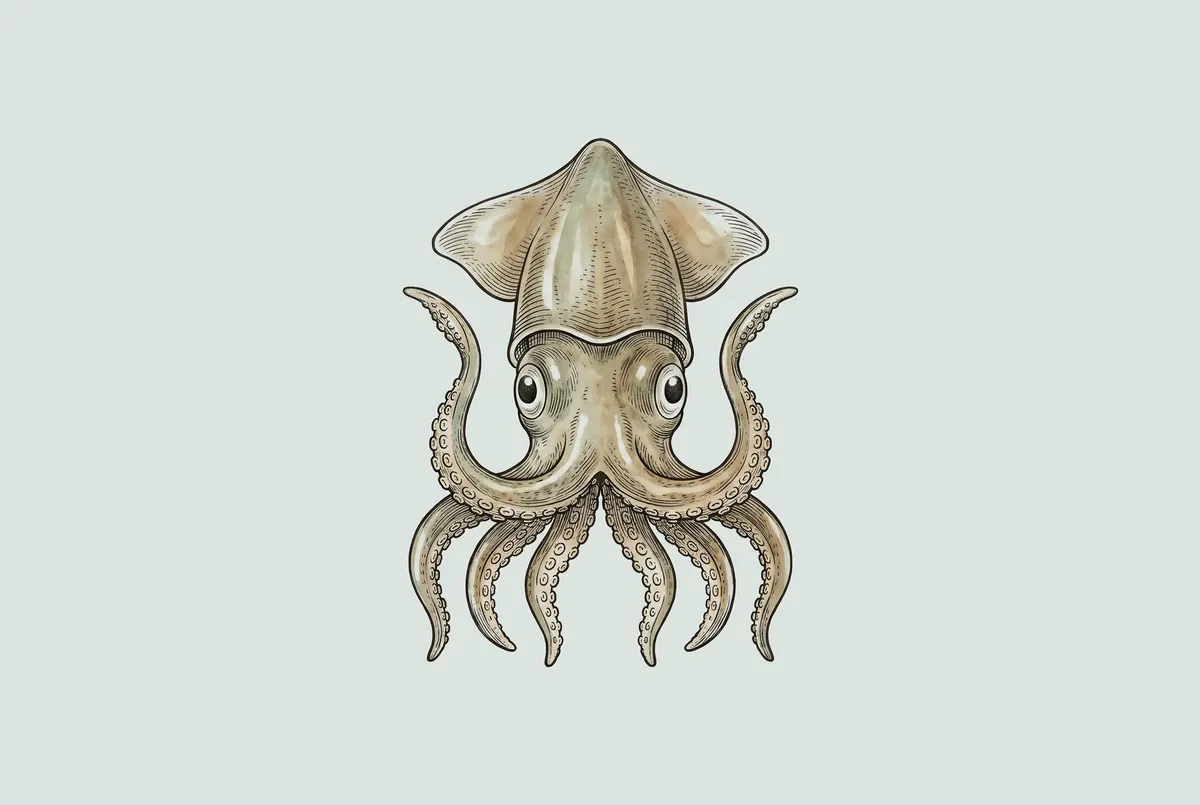
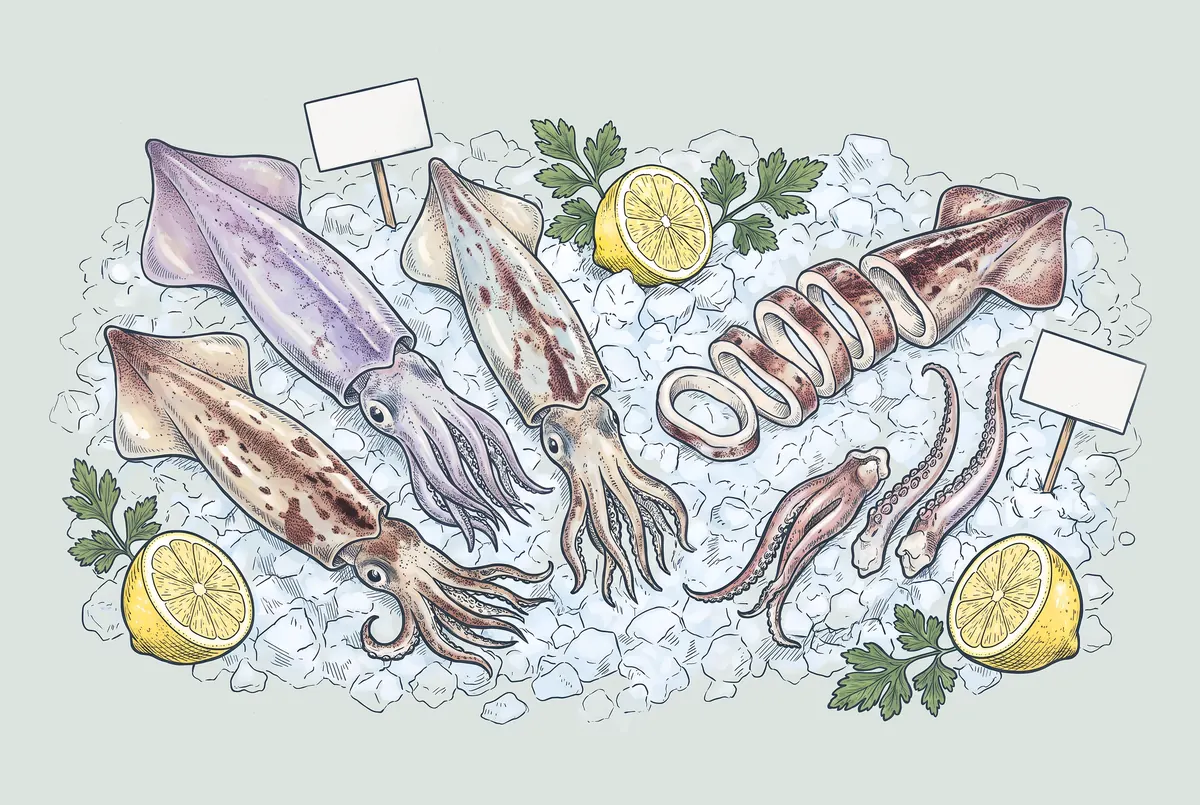
three views
How to recognise Japanese flying squid
How is the stock doing?
The squid spawns in the East China Sea and migrates north. Poor spawning conditions and heavy fishing reduced catches.
What to look for when buying
Choose squid from Japanese fisheries with quotas. Squid from other species can replace it.
Japanese flying squid in Japan
In Hakodate, squid caught at night is served as ika somen, raw squid noodles, in the morning market. Dried surume is a snack with beer.
Questions about Japanese flying squid
What is ika somen?
Raw squid cut into thin noodles.
What is surume?
Dried squid, eaten as a snack.
Sources
Consulted in October and November 2026.
More: shellfish, squid and crustaceans
- musselsfarmed: choose MSC
- brown shrimpstock declining
- squidchoose line-caught
- langoustineschoose MSC or creel-caught
- king prawnsfarmed: choose ASC
- lobstercheck the origin
- Pacific oysterfarmed: good
- eastern oysterfarmed: good
- great scallopdive or well-managed
- Atlantic sea scallopwell managed
- Japanese scallopranched, MSC
- manila clamfarmed: good
- common cocklehand-gathered: good
- razor clamcheck the method
- Mediterranean musselfarmed: very good
- common whelkcheck the size
- Pacific abalonefarmed: good
- common cuttlefishtrap-caught is better
- jumbo flying squidhigh-seas fleets
- Argentine shortfin squidcheck origin
- giant tiger prawnfarmed: choose ASC
- northern prawncoldwater, MSC
- Gulf brown shrimpUS: managed
- Akiami paste shrimplittle known
- Antarctic krillcheck the label
- Dungeness crabwell managed
- Gazami crabheavily fished
- European spider crabMed: rare
- edible jellyfishabundant
- blue swimming crabimprovement projects
- Japanese mantis shrimpdeclining locally
- banana prawnAustralia: MSC
- Sydney rock oysterfarmed: good