- fishtakes
- fish guide
- razor clam
Are razor clams sustainable?
Short answer · check the method
Razor clams are hand-dug or collected by divers, which is low impact. In Scotland, illegal electrofishing damaged some beds before a regulated trial was set up. Choose hand-gathered or diver-caught razor clams from licensed fishers.
Updated · Spain, Scotland, Ireland
- Latin name
- Ensis siliqua
- Wild or farmed
- Wild
- Where
- Spain, Scotland, Ireland
- Status
- Varies, little data
- Names
- Navaja, spoot, couteau
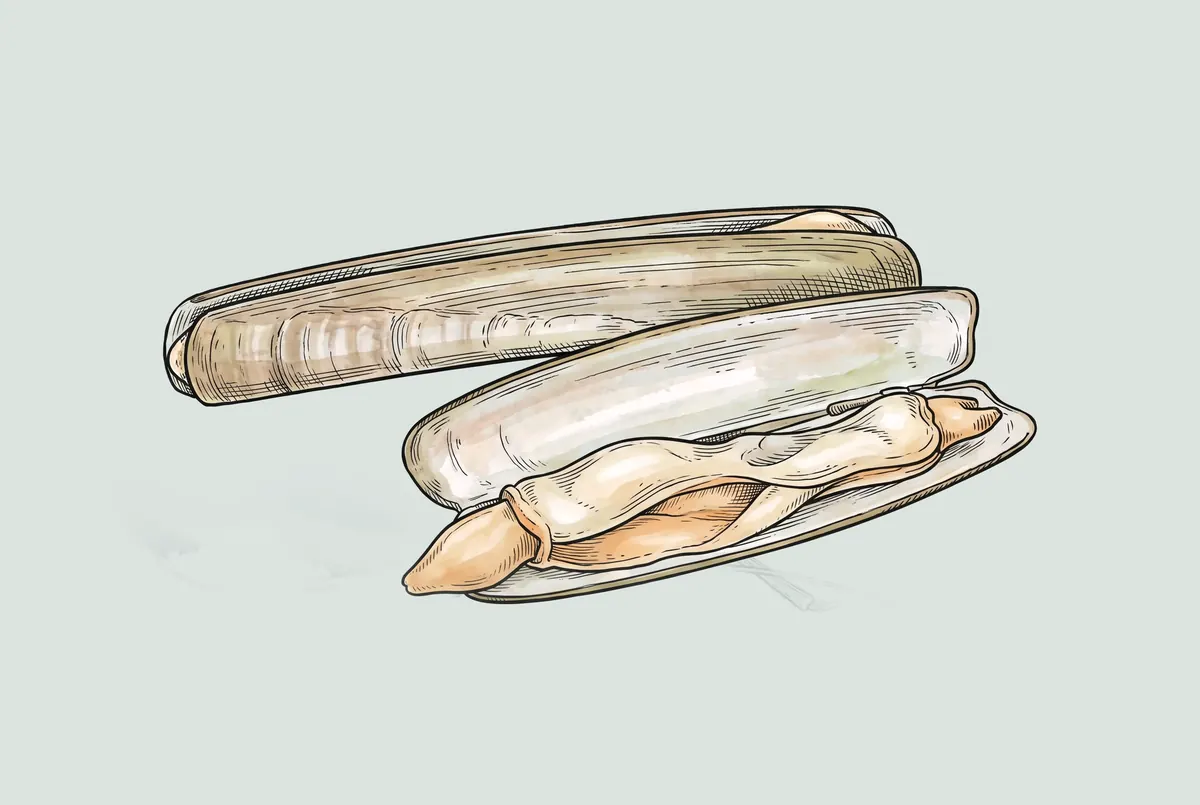
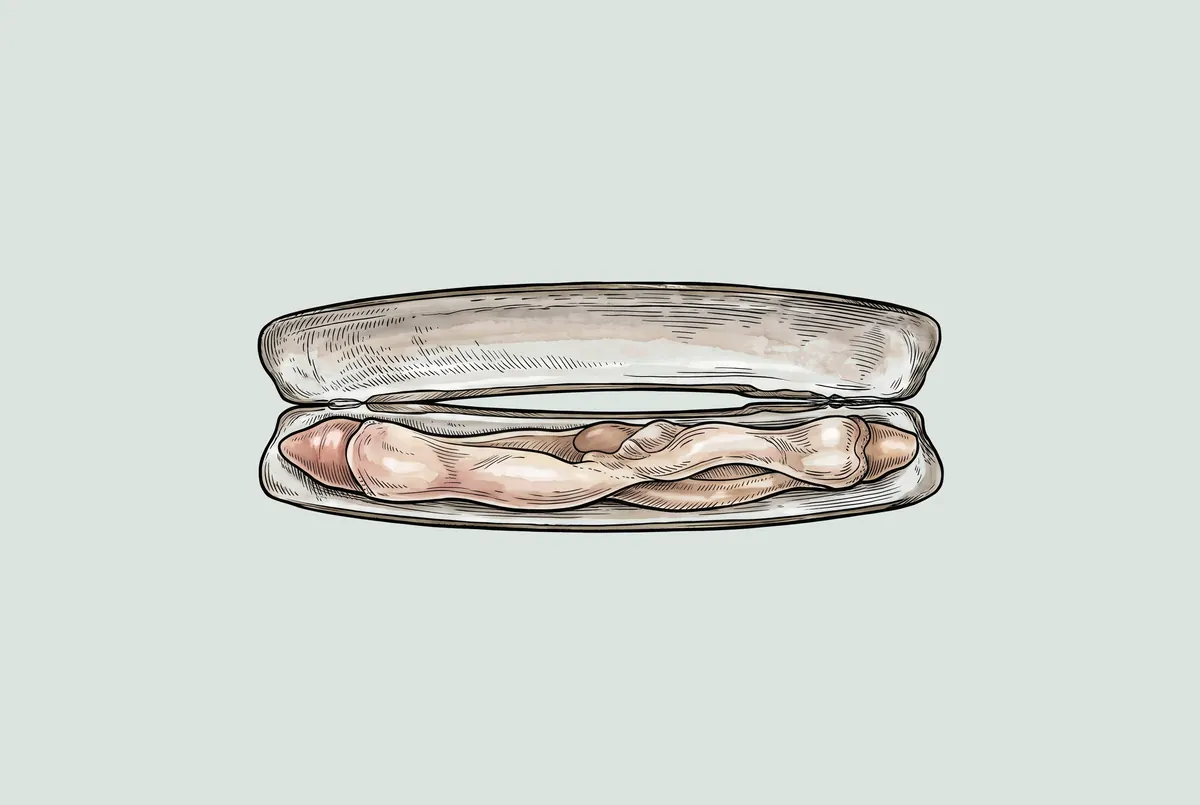
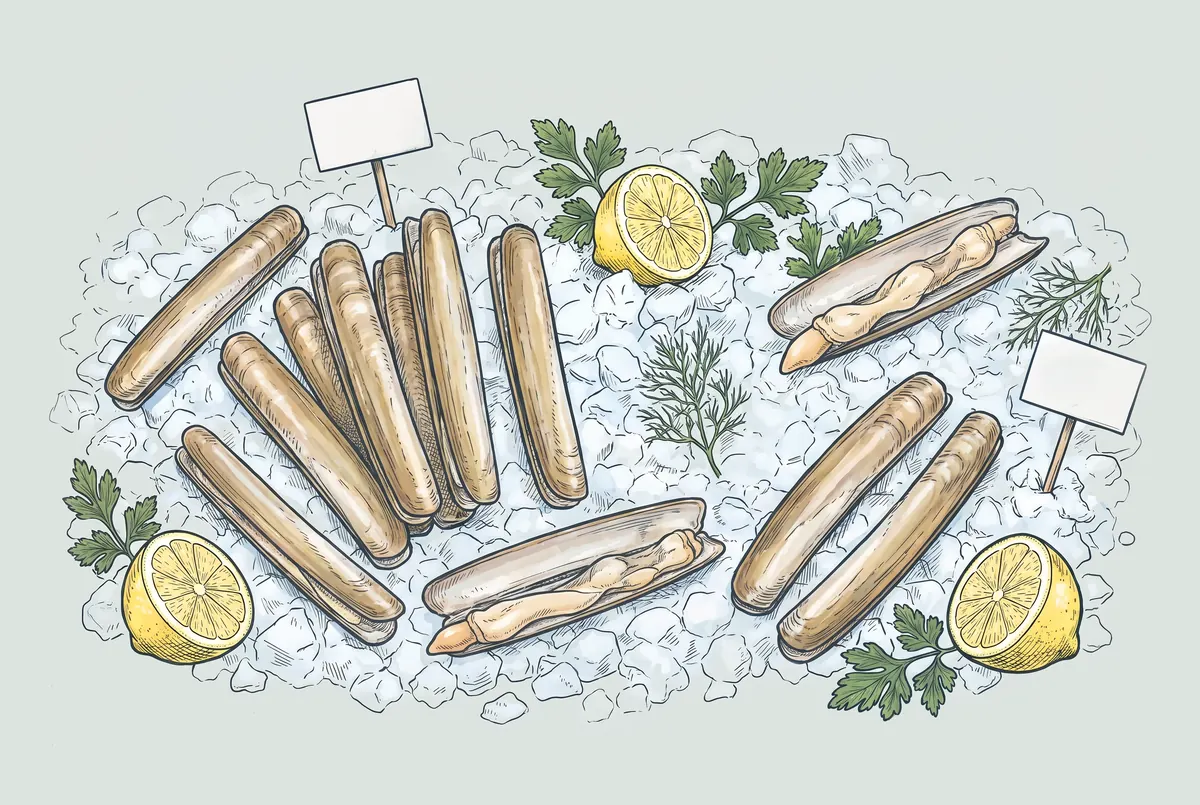
three views
How to recognise razor clam
How is the stock doing?
Razor clams bury themselves deep in sand. Fishers pour salt into their holes to make them rise, or divers pick them up.
What to look for when buying
Ask how they were caught. Galician navajas from licensed divers are a good bet.
Razor clam in Spain
In Galicia, navajas are grilled a la plancha with garlic, parsley and olive oil.
Questions about razor clam
Why is electrofishing for razors controversial?
It uses electric currents to make clams emerge; done illegally, it can damage beds.
How do you cook razor clams?
Briefly on a hot plate until they open.
Sources
Consulted in October and November 2026.
More: shellfish, squid and crustaceans
- musselsfarmed: choose MSC
- brown shrimpstock declining
- squidchoose line-caught
- langoustineschoose MSC or creel-caught
- king prawnsfarmed: choose ASC
- lobstercheck the origin
- Pacific oysterfarmed: good
- eastern oysterfarmed: good
- great scallopdive or well-managed
- Atlantic sea scallopwell managed
- Japanese scallopranched, MSC
- manila clamfarmed: good
- common cocklehand-gathered: good
- Mediterranean musselfarmed: very good
- common whelkcheck the size
- Pacific abalonefarmed: good
- common cuttlefishtrap-caught is better
- jumbo flying squidhigh-seas fleets
- Argentine shortfin squidcheck origin
- Japanese flying squidcatches fell sharply
- giant tiger prawnfarmed: choose ASC
- northern prawncoldwater, MSC
- Gulf brown shrimpUS: managed
- Akiami paste shrimplittle known
- Antarctic krillcheck the label
- Dungeness crabwell managed
- Gazami crabheavily fished
- European spider crabMed: rare
- edible jellyfishabundant
- blue swimming crabimprovement projects
- Japanese mantis shrimpdeclining locally
- banana prawnAustralia: MSC
- Sydney rock oysterfarmed: good