- fishtakes
- fish guide
- orange roughy
Is orange roughy sustainable?
Short answer · lives over 150 years
Orange roughy can live for more than 150 years and reaches maturity only after decades. Many stocks were fished down quickly in the 1980s and 1990s, and bottom trawling on seamounts damaged deep-sea corals. It is best avoided.
Updated · New Zealand, Australia
- Latin name
- Hoplostethus atlanticus
- Wild or farmed
- Wild, deep-sea trawl
- Where
- New Zealand, Australia
- Status
- Many stocks depleted
- Age
- Over 150 years
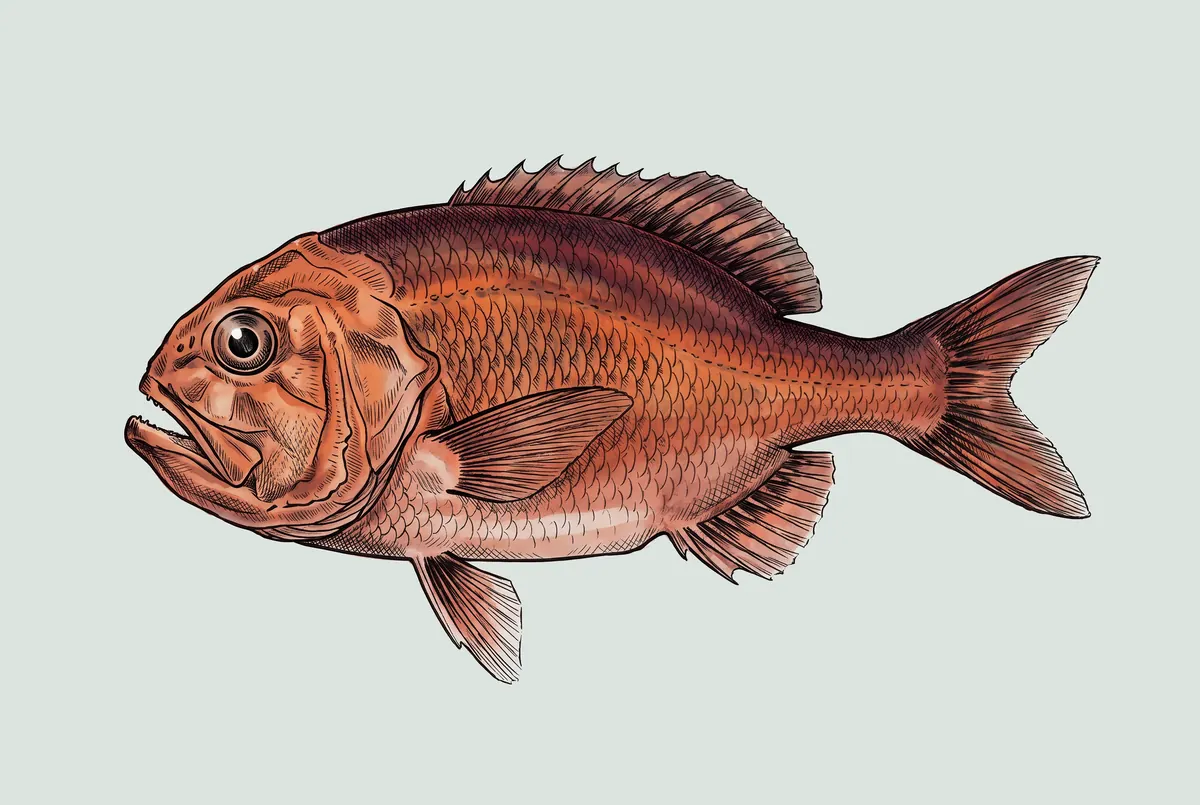
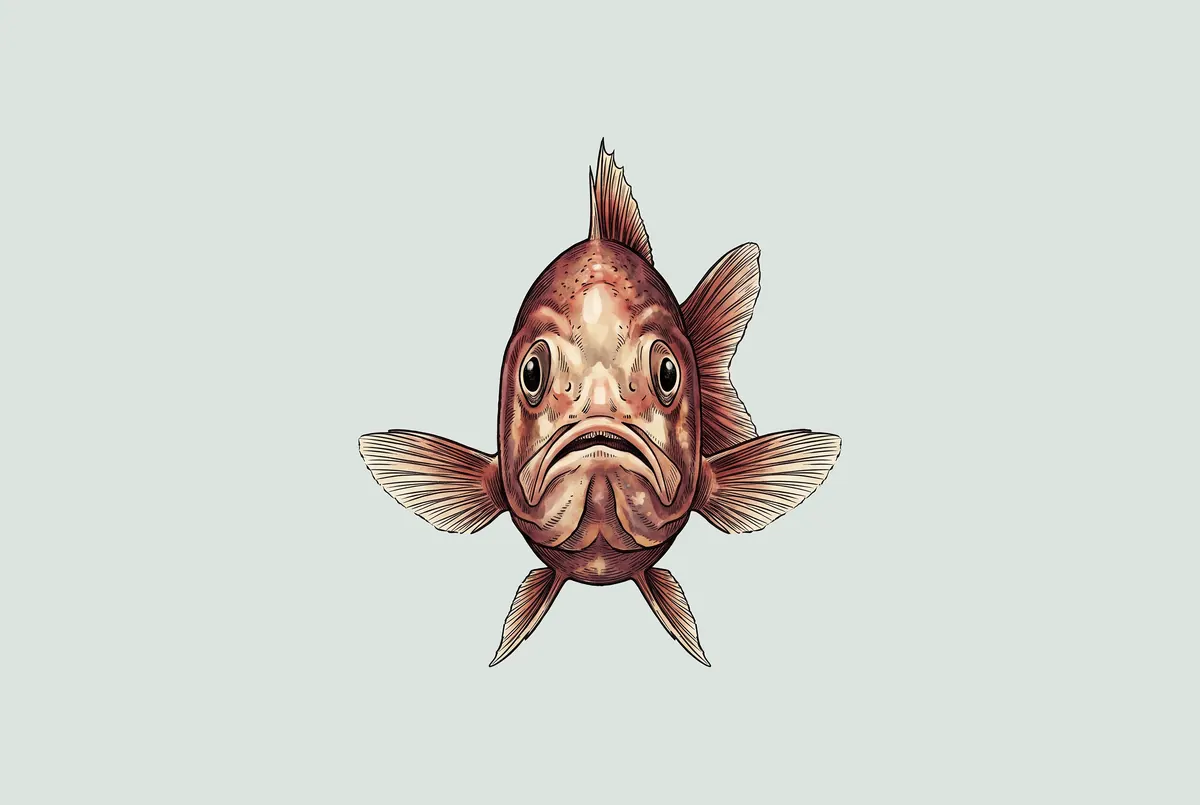
three views
How to recognise orange roughy
How is the stock doing?
Orange roughy gather on underwater mountains, where trawlers catch them in large numbers. Some New Zealand stocks recovered and carry the MSC label, but the damage to seamount habitats is lasting.
What to look for when buying
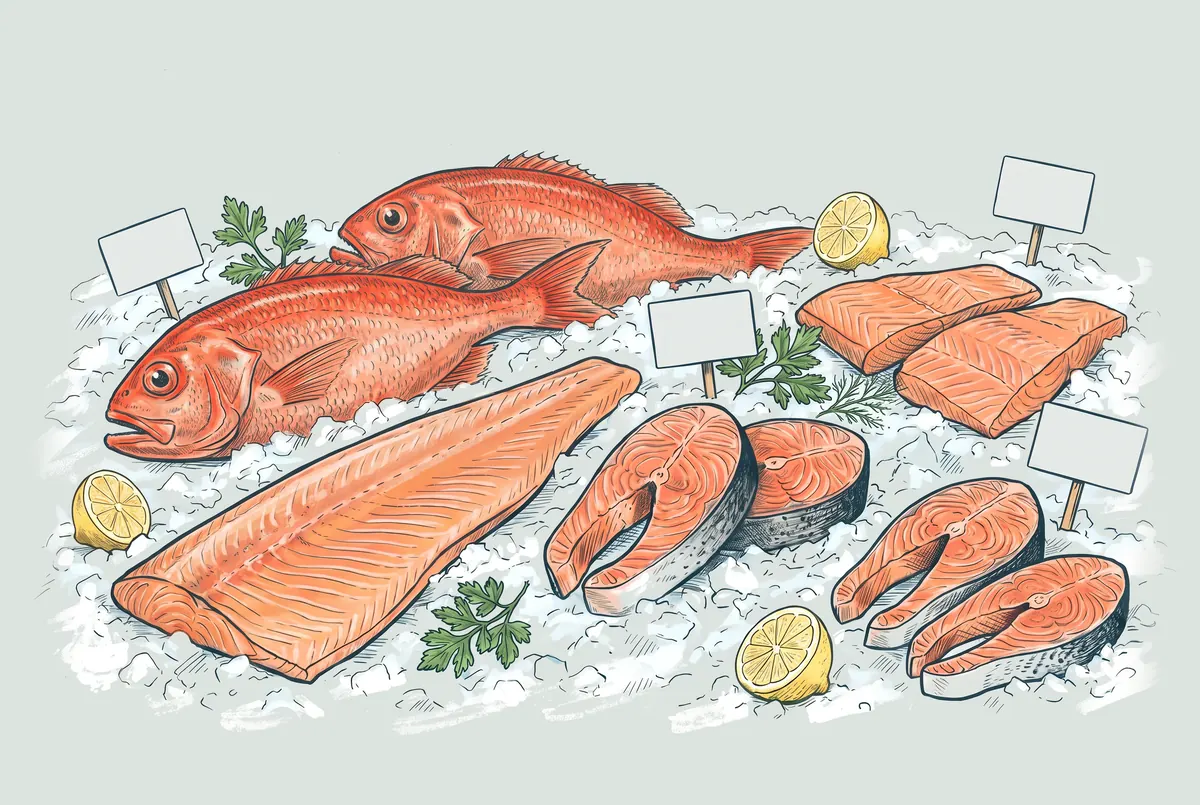
Choose other white fish. If you buy orange roughy, it should come from a certified New Zealand fishery.
Orange roughy in New Zealand
Orange roughy was marketed in the 1980s after being renamed from slimehead. It became a restaurant fish in the US and Australia.
Questions about orange roughy
How old can orange roughy get?
Studies have aged some fish at well over 150 years.
Why is deep-sea trawling harmful?
It destroys slow-growing corals and sponges on seamounts.
Sources
Consulted in October and November 2026.
More: ocean fish of the world
- yellowfin tunacheck the ocean
- bigeye tunaAtlantic: overfished
- Pacific bluefin tunarecovering from very low
- southern bluefin tunaendangered, recovering
- swordfishcheck ocean and gear
- Pacific codAlaska: MSC
- chub mackerelheavily fished
- Pacific saurycatches collapsed
- Pacific halibutwell managed
- Greenland halibutcheck the area
- Peruvian anchovetamostly becomes fishmeal
- capelinclosed in weak years
- blue whitingquotas above advice
- HokiMSC since 2001
- Cape hakeMSC since 2004
- Argentine hakerecovering
- common lingcheck the area
- pollackstock low
- John Dorysmall catches
- spiny dogfishUS: certified
- blue sharkshark, CITES II
- flying fishBarbados: local catch
- narrow-barred Spanish mackerelnear threatened
- Indian mackerelheavily fished
- Indian oil sardineclimate swings
- South American pilchardCalifornia closed
- round sardinellaoverexploited
- Australasian snappercheck the state
- sablefishAlaska: well managed
- wahoofast-growing
- chinook salmonsome runs endangered
- chum salmonAlaska: MSC
- pink salmonAlaska: MSC